Author Archives: magali

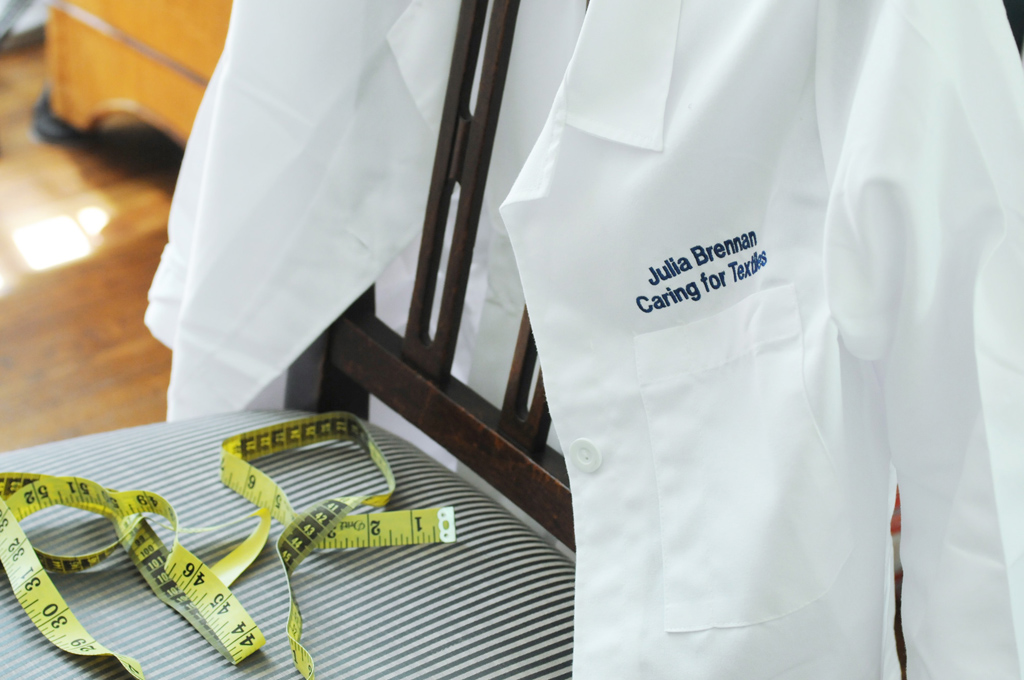
Julia Brennan, textile conservator

26 December 2015

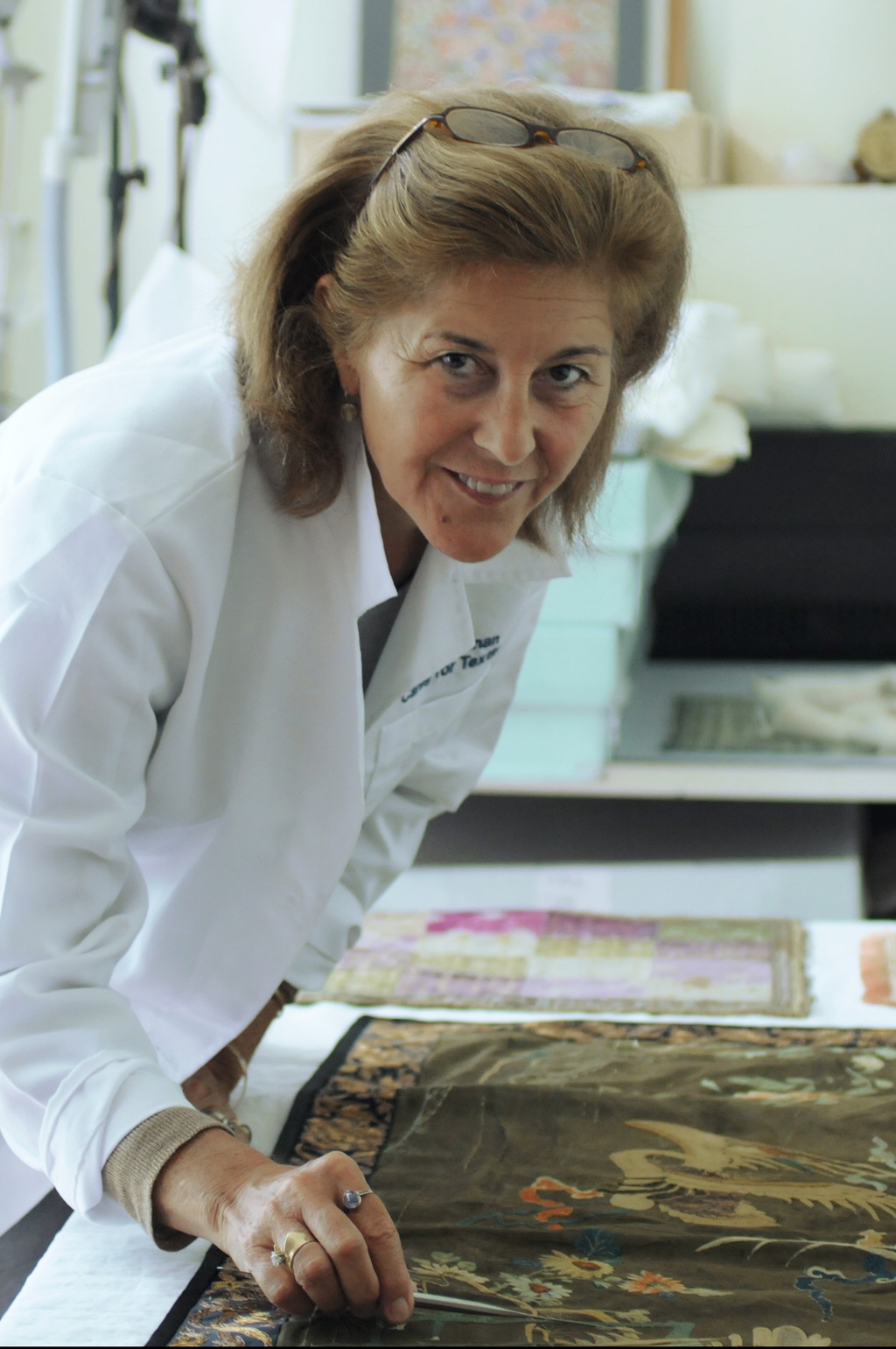
I met Julia Brennan in Thailand in 2013 at the impressive conservation lab of the recently opened Queen Sirikit Textile Museum in Bangkok. She actively participated in designing the department. She also trained the team of conservators in charge of the outstanding range of Thai costumes, ceremonial dresses, and textiles, all preciously kept and exhibited in the museum. A textile conservator, instructor, and consultant, she travels the world—Asia in particularly— to transmit and share her knowledge. Always looking for new methods and innovative archival materials, she supports Asian local museums in the treatment of their textile collections that often include fascinating examples of ancient traditions and techniques.

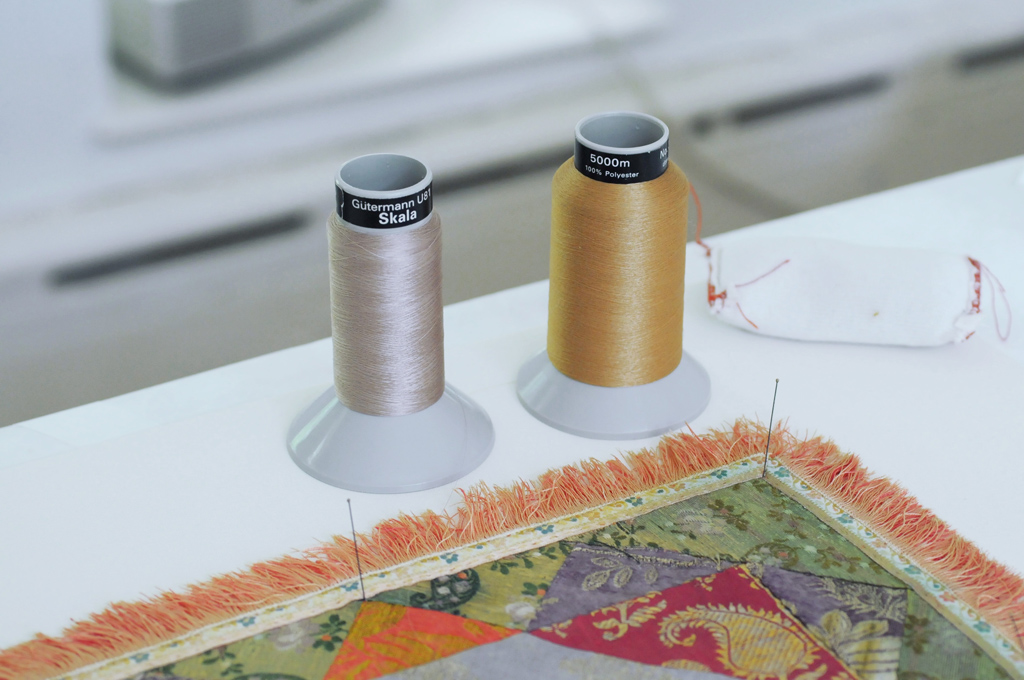
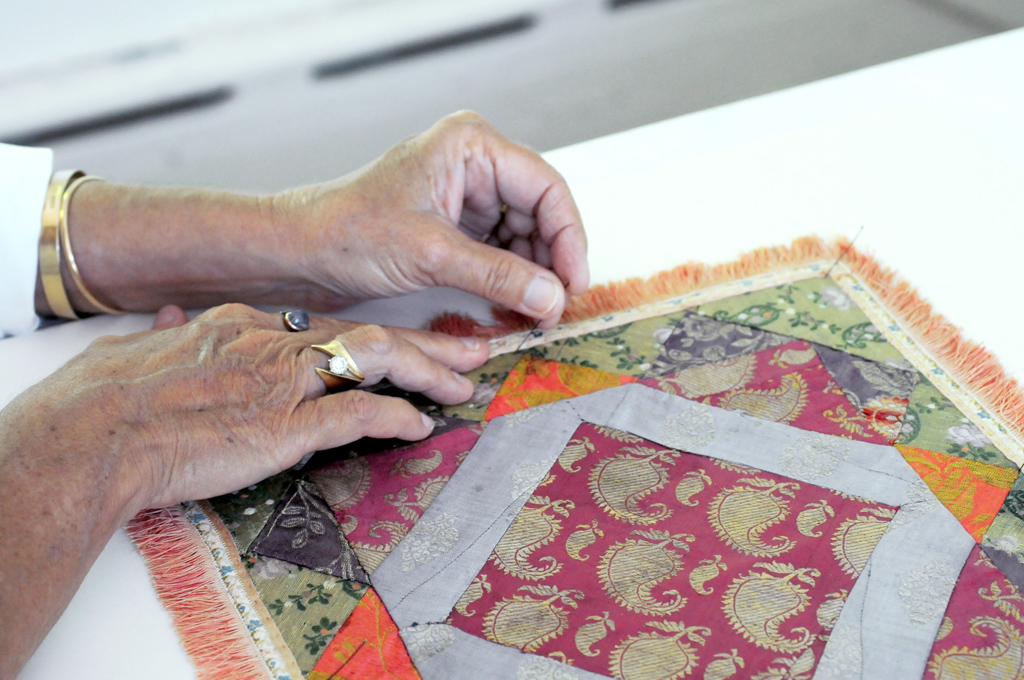
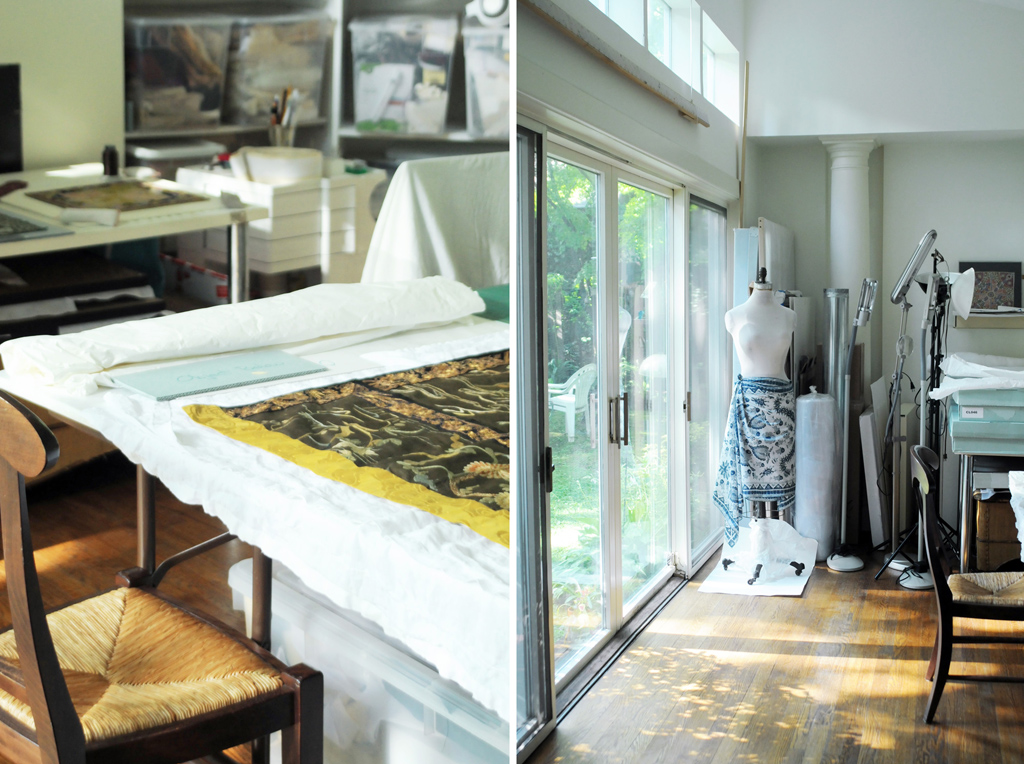
And when she is not traveling, Julia Brennan lives in Washington DC. In her studio, she extends the life of commissioned textiles and costumes at the request of individuals or institutions, preparing them for exhibition, and preserving them from the dangers of time. She has worked for nearly a decade at the Textile Museum in Washington DC before starting her own business. The textiles she receives—sometimes in critical condition— are the product of the famous and the lesser known history. They may come from a family heirloom, a personal collection, and found during a faraway trip. Each case is a new challenge, an opportunity to explore a chapter of textile history, and a scientific research to conduct.

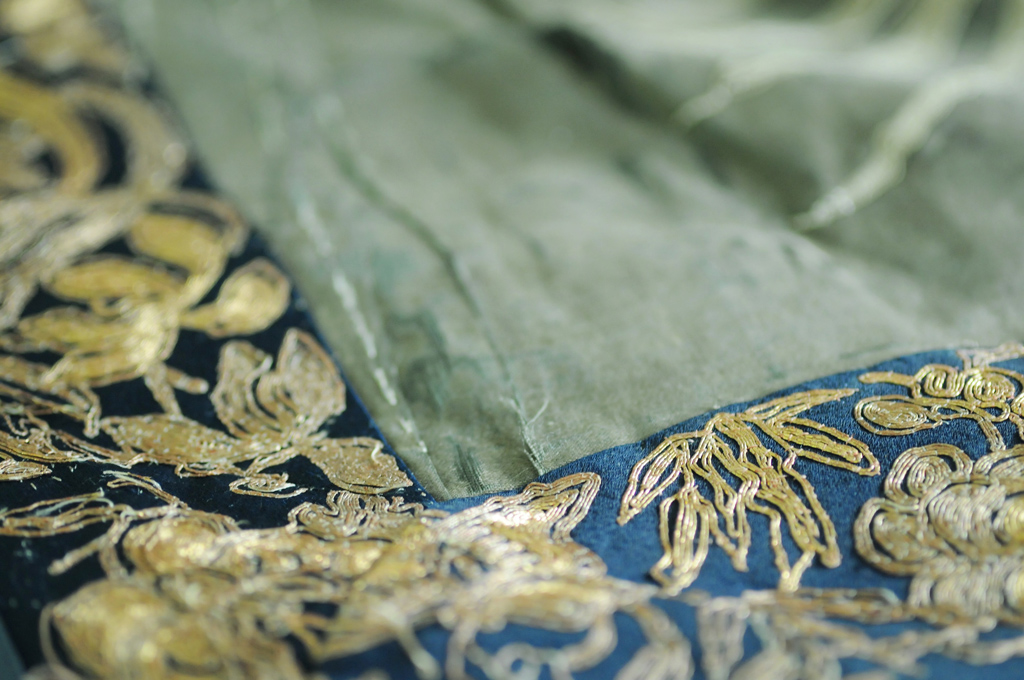
Conservators must define the base material, the techniques, but also the dye to be able to consider the best way to proceed. The applied treatment must be minimally invasive and as respectful of the object and its condition as possible. Textile conservation is a work of patience which requires a broad spectrum of skills. It combines manual skills, scientific and historical knowledge. Julia Brennan always expresses such a deep curiosity for all types of ancient and contemporary textiles from all over the world, spanning from American folk patchworks to graphic Indonesian batiks. Her passion and enthusiasm make her the eloquent advocate for the necessity to preserve this essential global textile heritage.

A Dialogue About Crafts at Le Vigan

16 December 2015

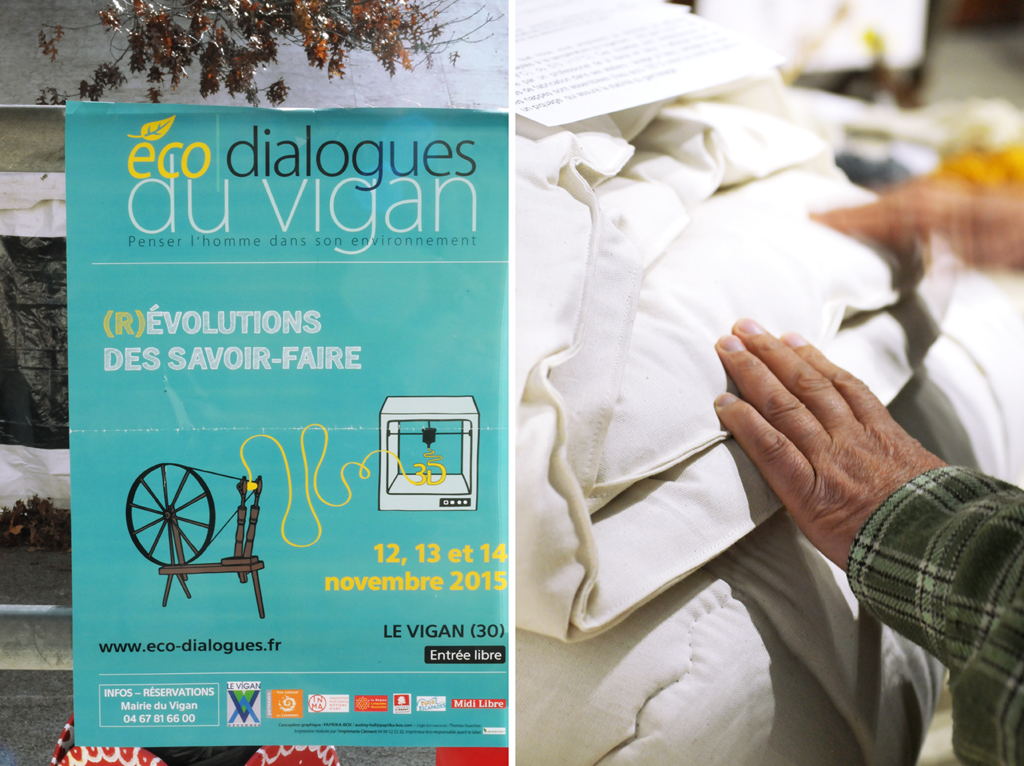
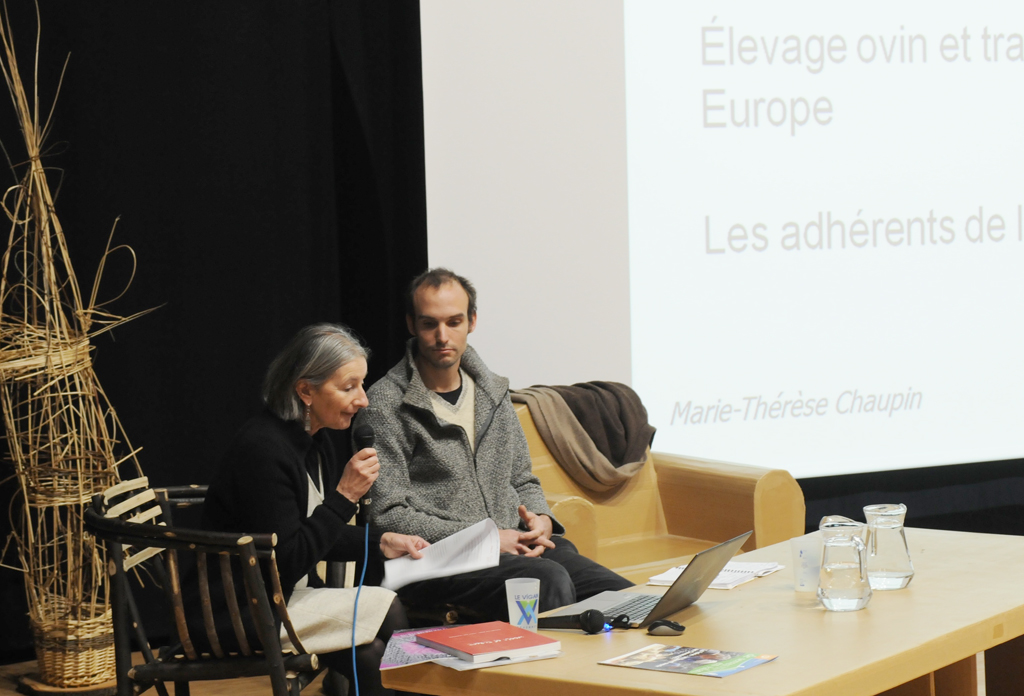
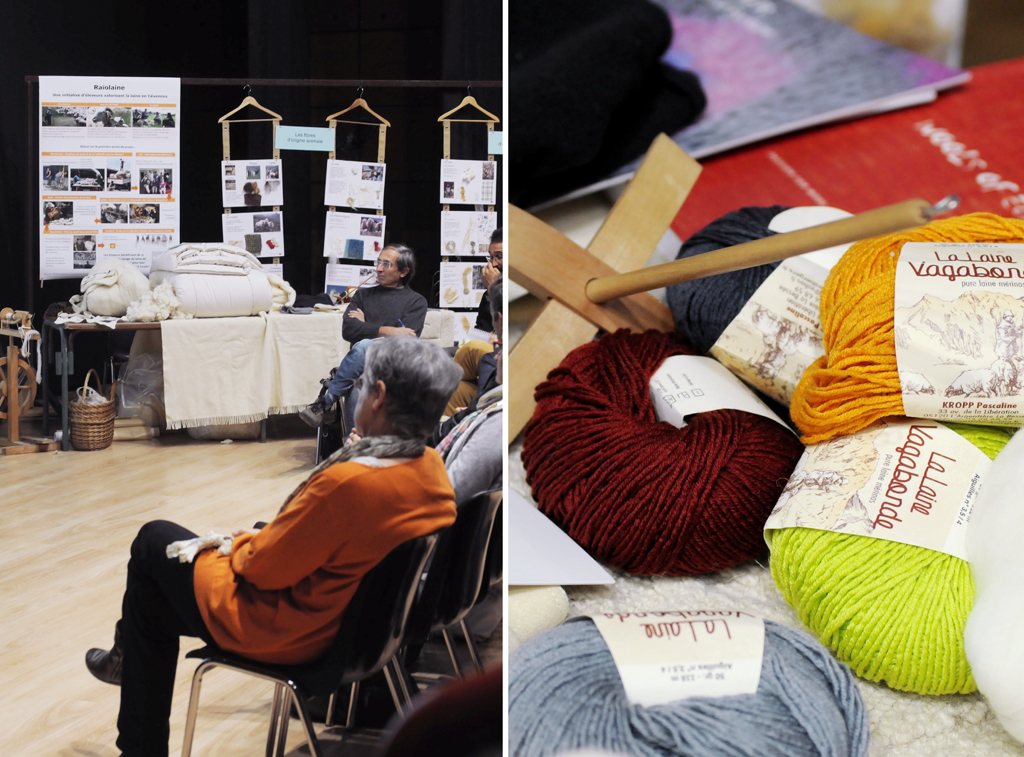
Last November, between the 12 and the 14th, took place the Eco-Dialogues, an environmental and humanist popular university in rural areas in Le Vigan, in the Cévennes, France. This year, the series of conferences and seminars revolved around the theme Know-How (R)evolutions. I was a part of the Friday professional encounter entitled “Wool, silk, linen, hemp and new fibers, from traditions of the past to present innovations.” Marie Thérèse Chaupin, President of the ATELIER-Laines européennes (European textile organization in charge of liaison, innovation, exchange and research around the wool) explained the difficulties of wool production in France and stressed about the benefit in using natural fibers. Christine Browaeys, engineer and consultant at T3Nel, shared her expertise in textile innovation and the vast potential of new fibers. In the evening, Marc Bayard, scientific advisor for the cultural development at the Mobilier National, was there to present the realistic utopia of the Slow Made movement that intends to restore the value of quality and time in handmade production— in the arts and crafts in particular.

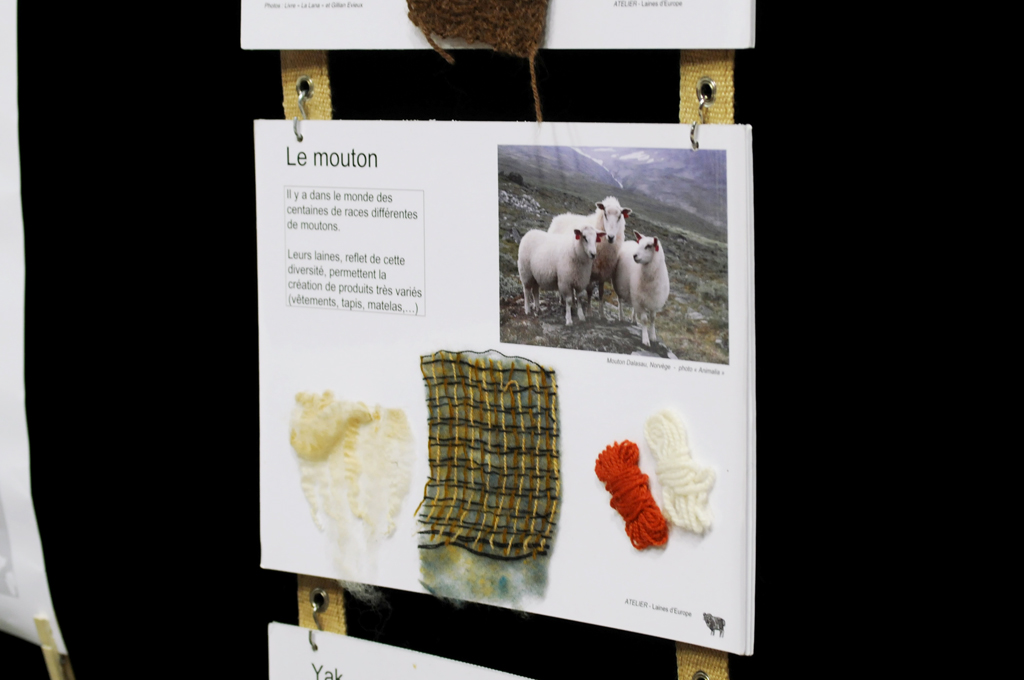
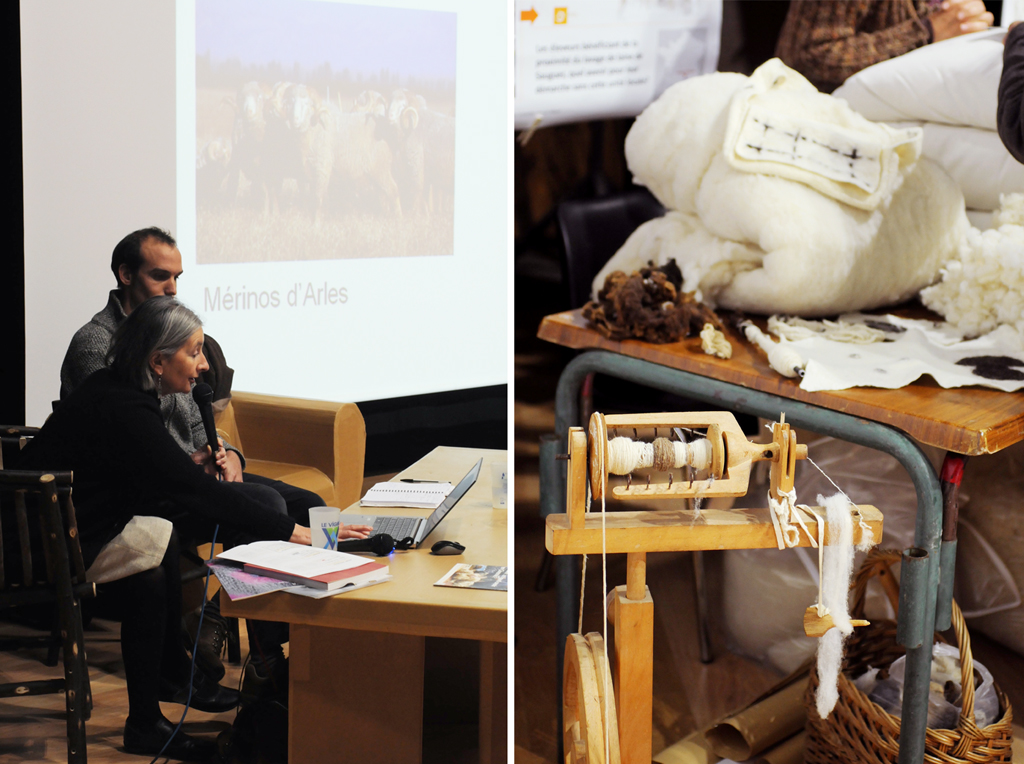
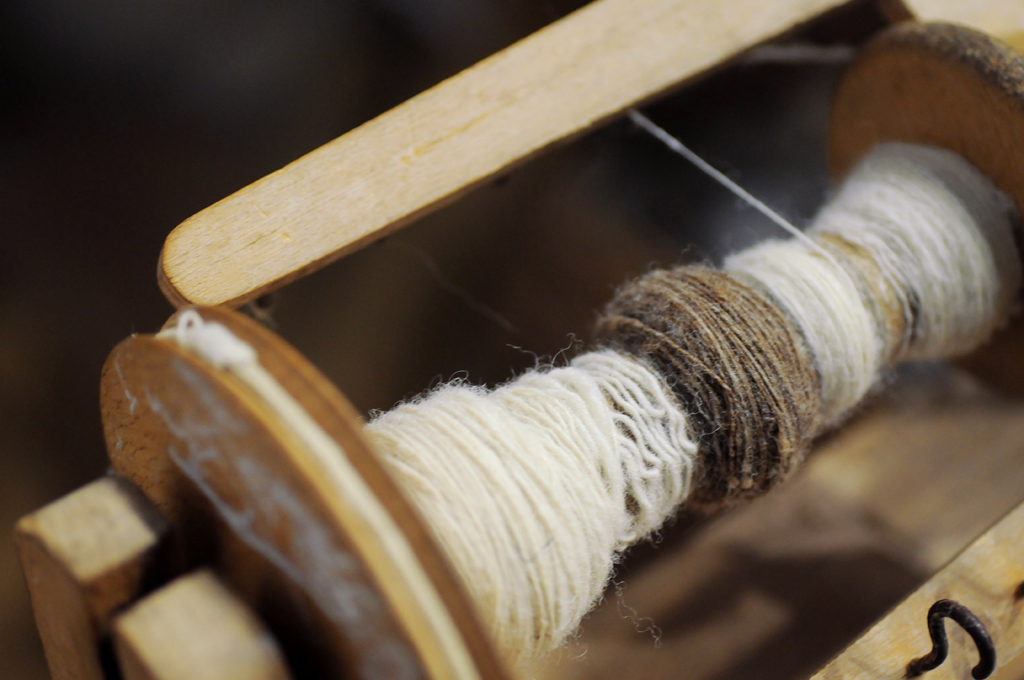
The talk on Saturday focused on the topic of wool. Julien Buchert, agropastoral project manager in the Cevennes National Park, shared his commitment to farmers. Accompanied by Marie Thérèse Chaupin, he detailed the various stages of wool processing, explaining for example that each animal has up to a dozen types of wool on his fleece. This meeting proved to be really exciting, rich in experience sharing. A group of sheep farmers from the area told the difficulties encountered in the appreciation of the farm animals. Meat is obviously their main source of income. However they expressed their concern about finding the right opportunities to value their quality wool. Creative initiatives offer promising opportunities for this unique and precious material, whose local history dates back to 7000 BC during Gaul time. Different products in wool have been developed: skeins and balls, cotton lined wool duvets, and knitted accessories… The Mobilier National has also shown interest for this local wool. The institution launched trials that would integrate this material in the making of tapestries and carpets for public commissions, which will eventually decorate the Elysee Palace and the French ministries.

Everyone was welcome to share their point of view, from farmers, engineers, spinners, to designers and craftsmen. In these open discussion, one could feel a genuine and engaging desire to rebuild the wool industry of the region. With these positive and useful talks, this Eco-Dialogues edition has planted the seeds of a necessary and essential rehabilitation and promotion of the local textile heritage.

Magali An


In the backstage of the Philamuseum

12 October 2015

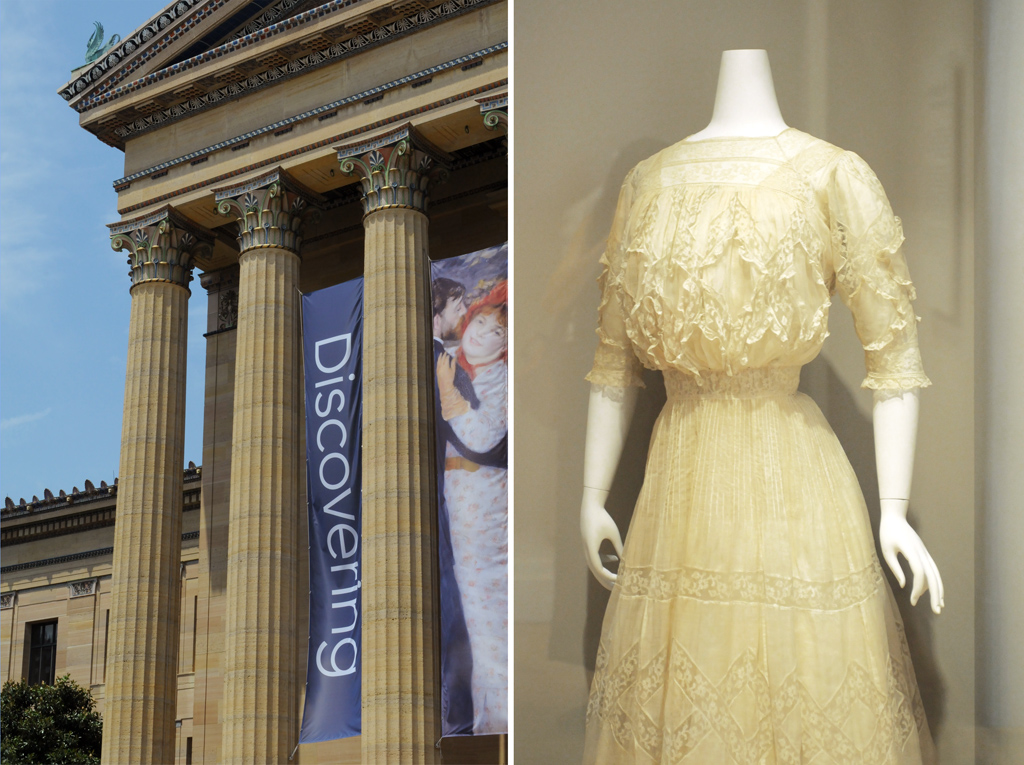
I did not expect to spend that many hours wandering in the alleys of the Philadelphia Museum of Art. It is so pleasingly easy to lose yourself in the maze of these dazzling masterpieces from Brancusi to Monet, Matisse to Cy Twombly: paintings, sculptures, installations from modern and contemporary masters. In the museum’s main building, only one room-Gallery 271- is dedicated to textiles and costumes. The show on display was offering a selection of antique white lace dresses as a variation on the topic of the little white dress.
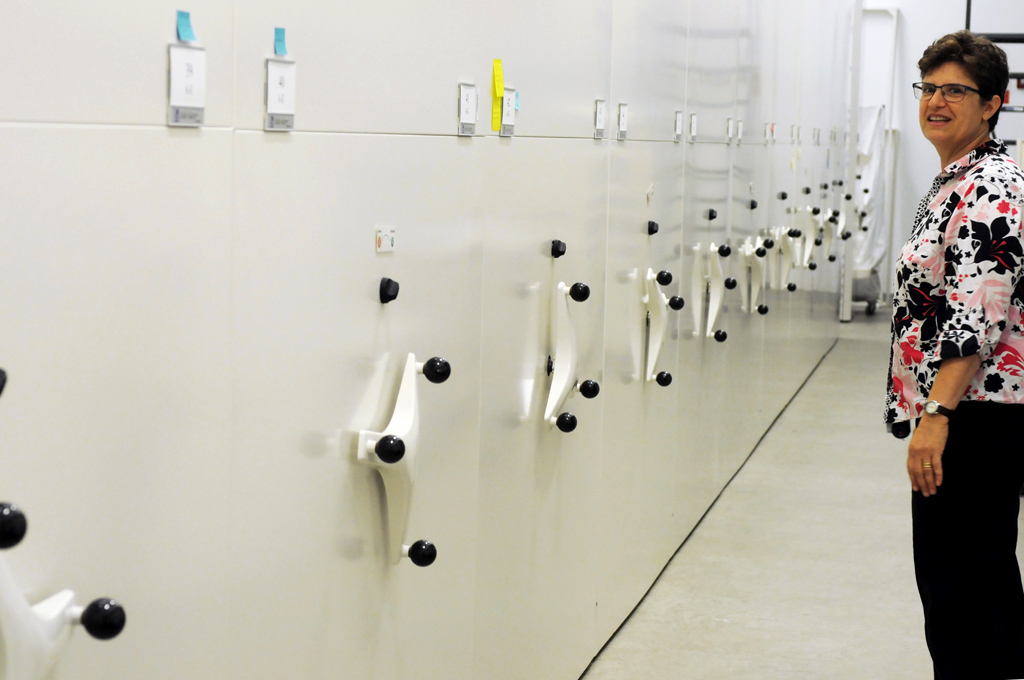
To fully understand the value of the museum’s textile collection, one needs to visit the adjacent Perelman building that holds the Dorrance H. Hamilton Center for Costume and Textiles. There the gallery space on the second floor showcases curated exhibitions – this time about shawls – that highlight an aspect of the Philamuseum’s abundant textile repository, one of the oldest and largest of the United States. It is also possible to book appointments to see and study specific objects. The Perelman Building also nests the conservation lab along with the impressive storage space containing over thirty thousands costumes, textiles and accessories.
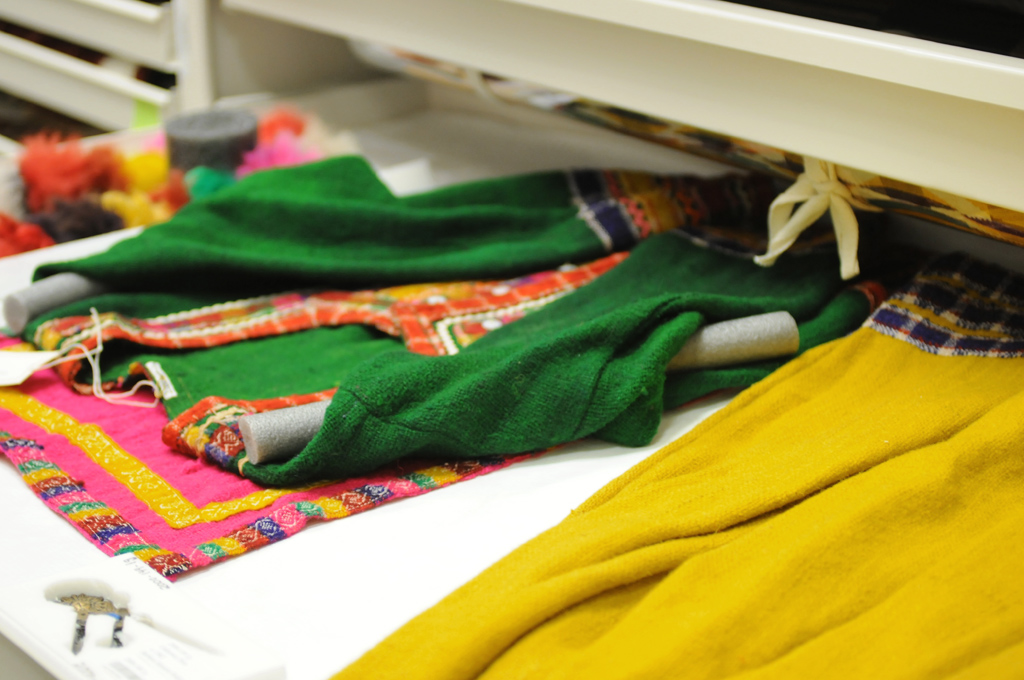
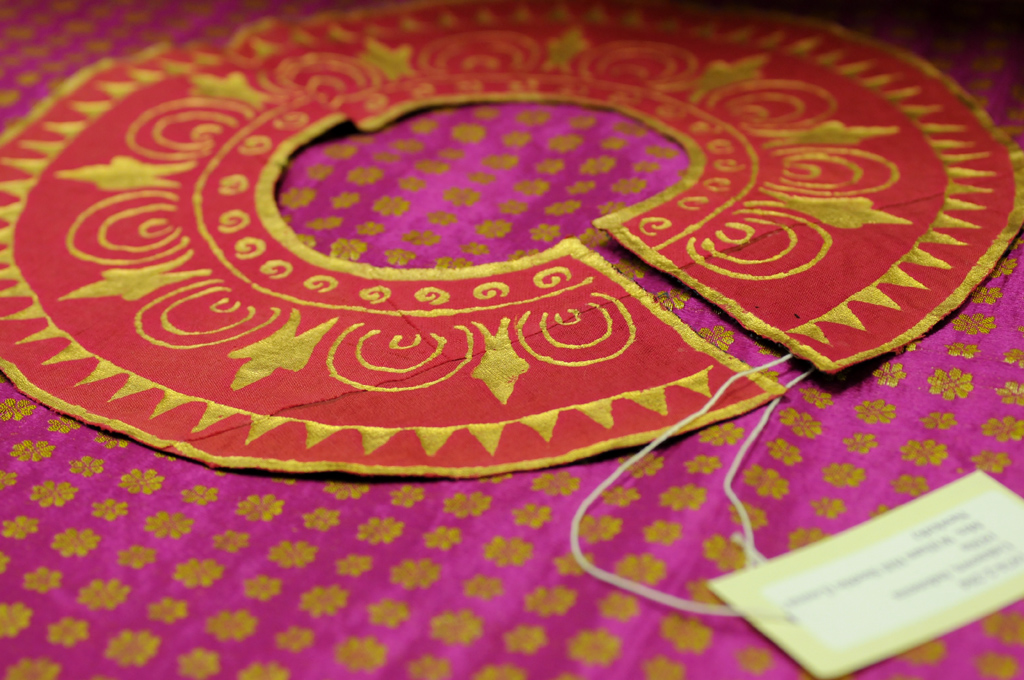
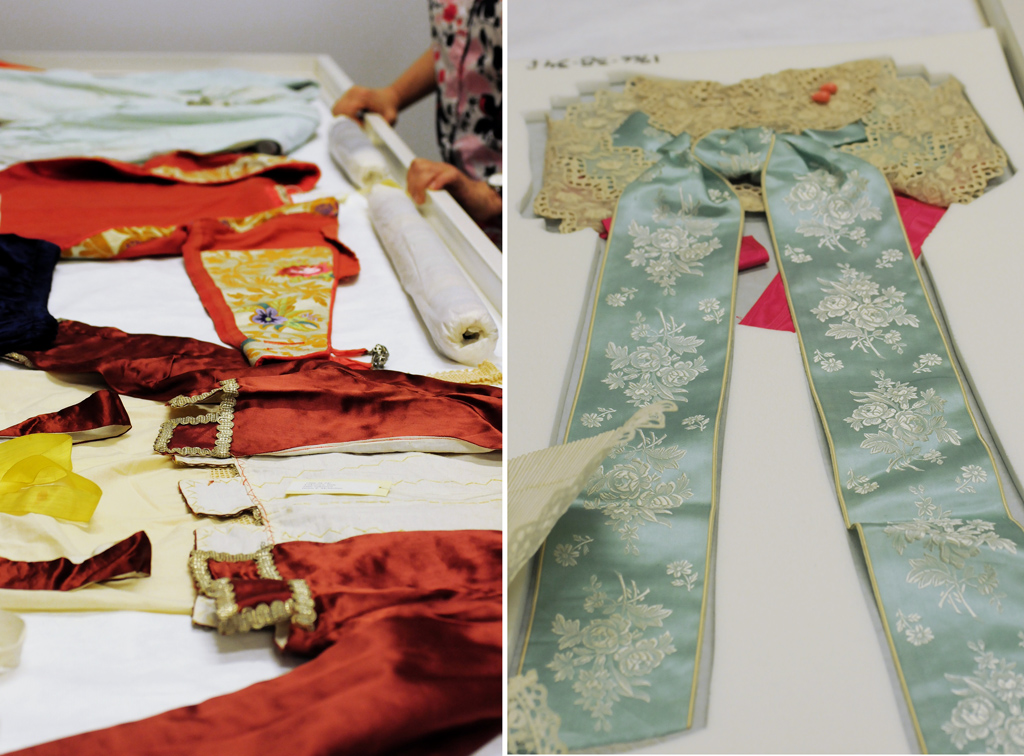
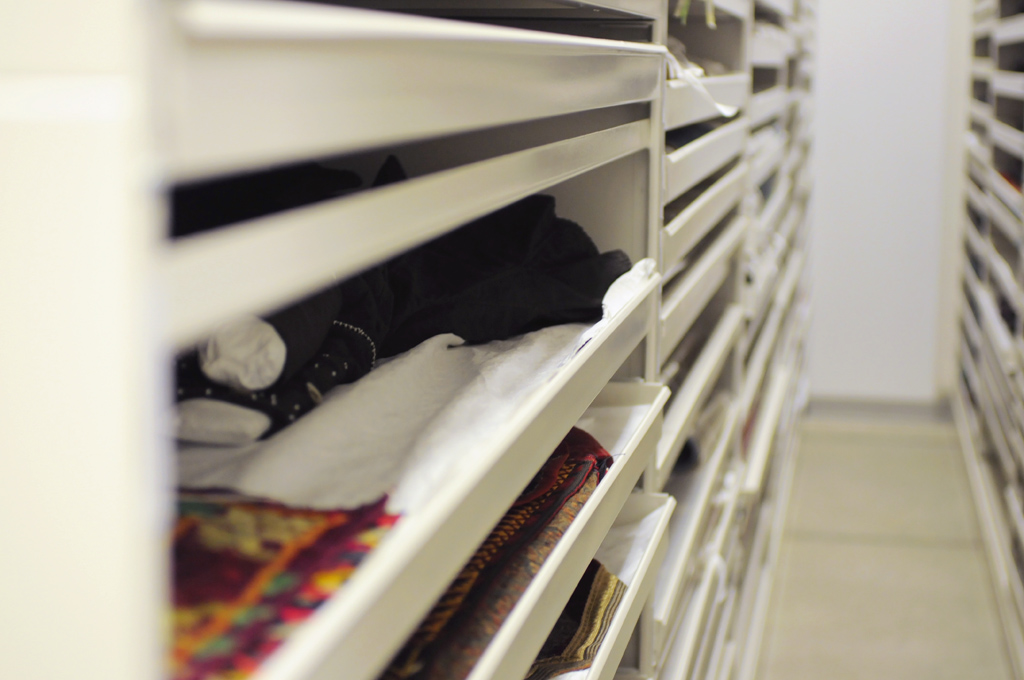
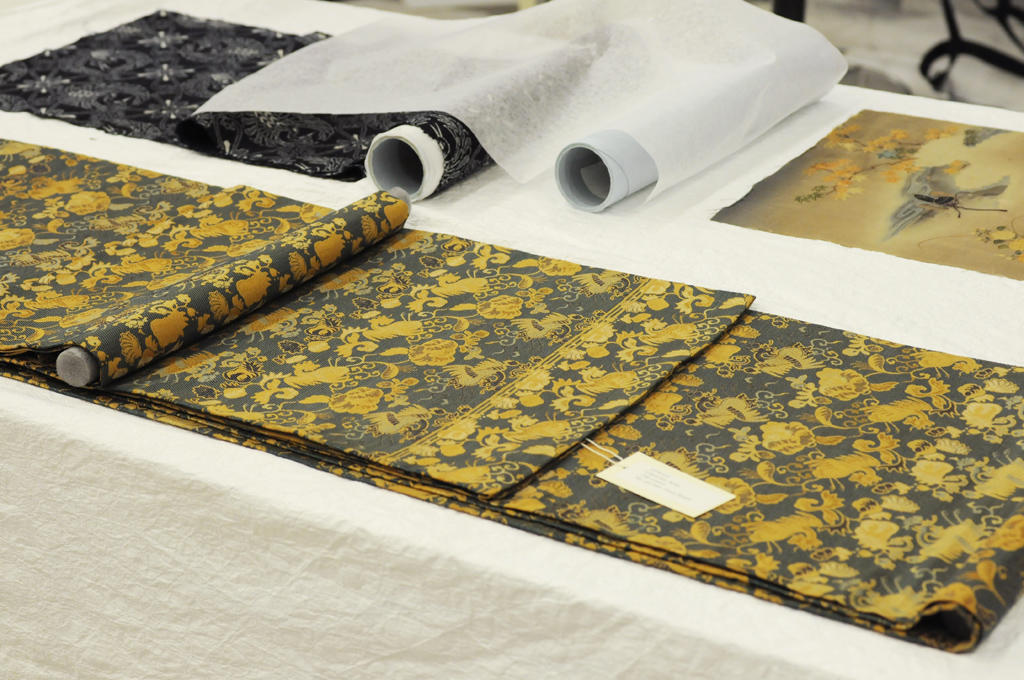
Sara ReiterSenior Conservator of the Costume and Textiles Département welcomed me in this textile haven (image 3). Somptuous Haute Couture gowns, ancient textile swatches and panels, folk costumes from the world, male wardrobe, but also precious accessories to be dressed from head to toe… The storage holds many treasures including Philly-born Grace Kelly’s wedding dress in vintage lace (image 2).
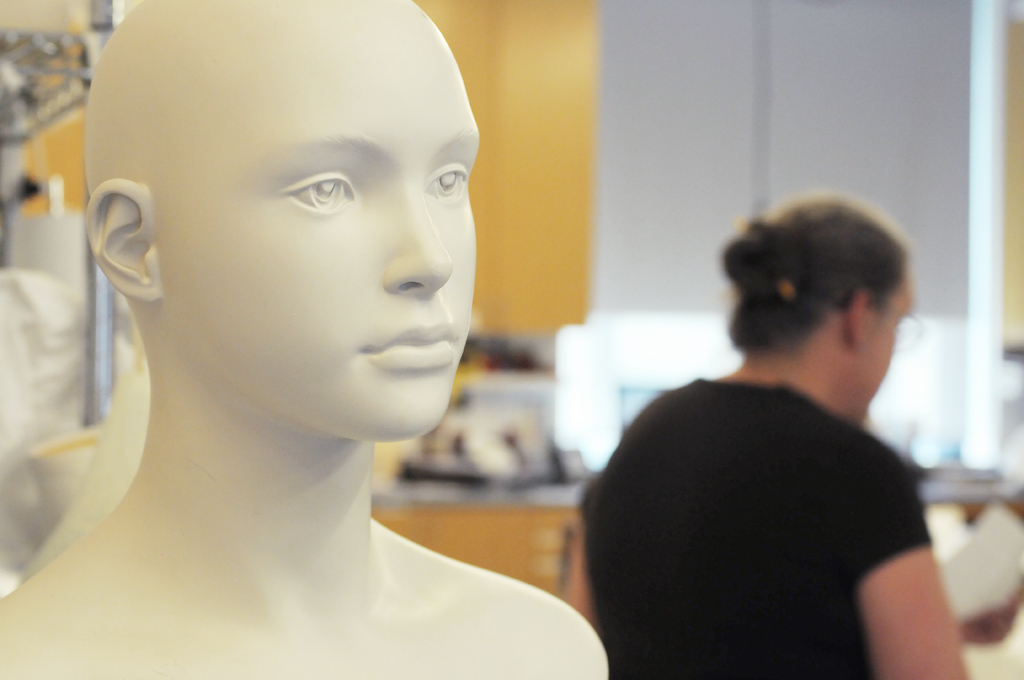
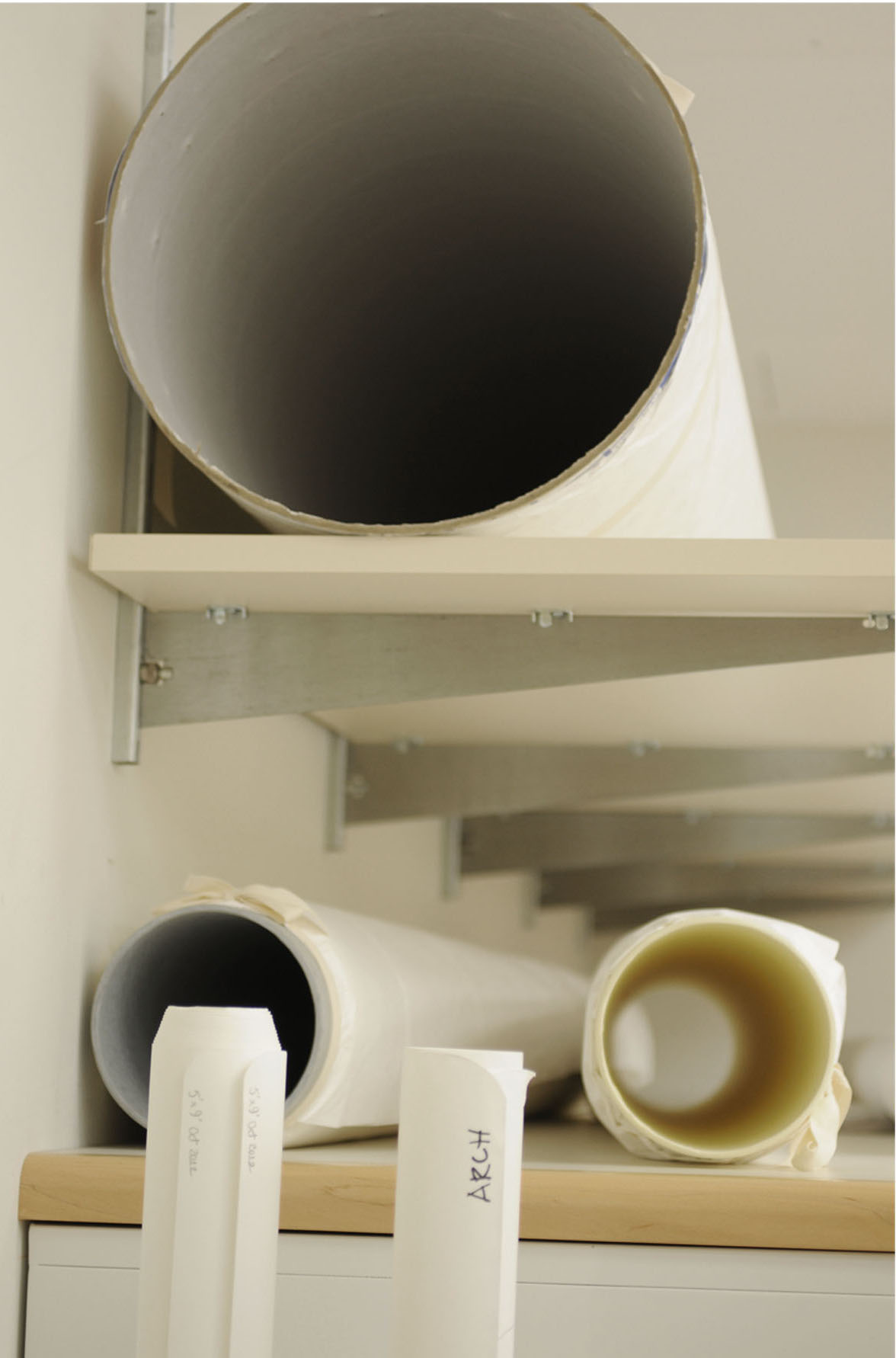
The storage design is at the forefront of innovations in textile conservation. This model of technology offers a controlled setting for these fragile textile pieces of such diverse formats, thus allowing to present them in the best way: flat in large drawers, rolled on steel bars, and suspended on padded hangers. This custom-made space is considered one of the biggest in the country, built in order to bring the proper environment for conservation. The whole department is in charge of taking care of the textile and costume collection, to preserve the objects, make frames and boxes for the storage, and also build mannequins that will later on be used to display costumes for future exhibitions within the museum.

Magali An

www.philamuseum.org


The garden of Winterthur

23 September 2015

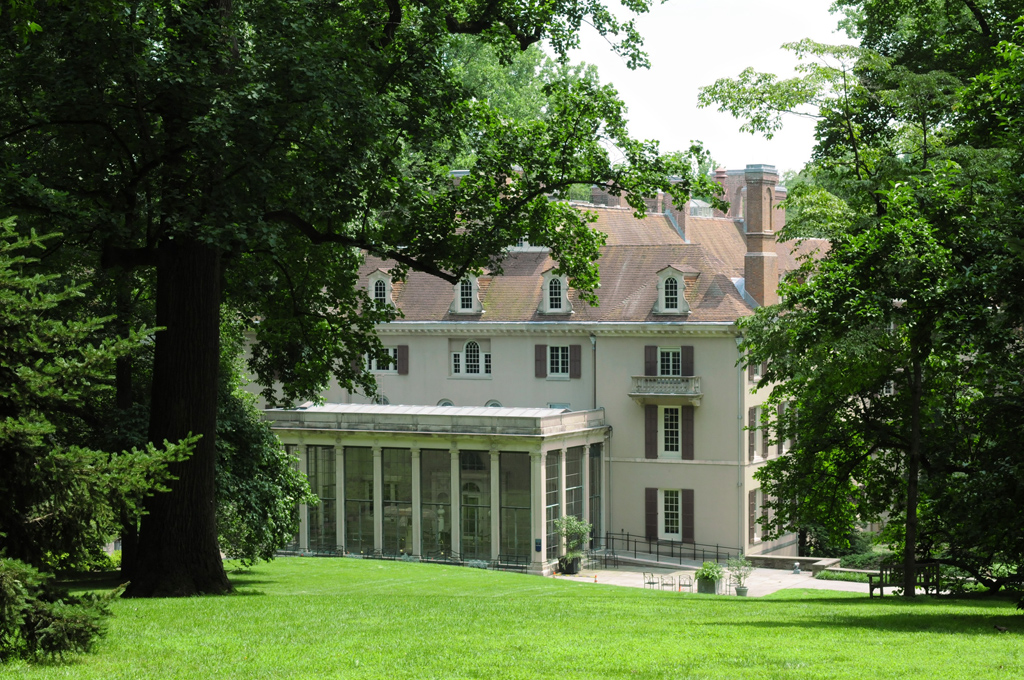
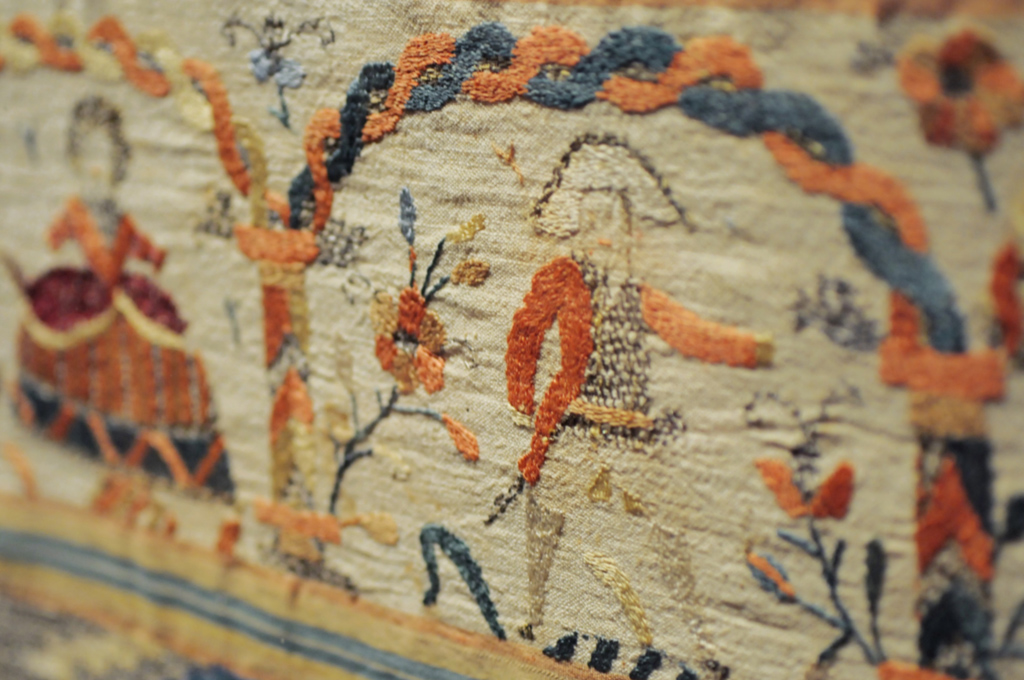
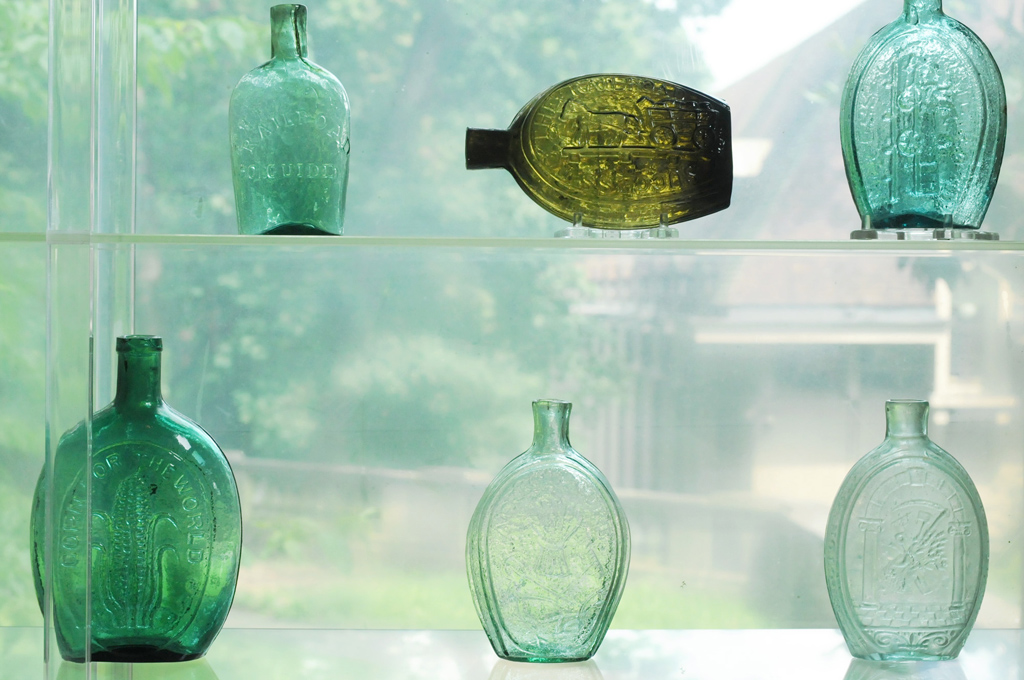
In the month of July 2015, I visited the Winterthur Museum that was established by Mr Henry Francis du Pont (1880-1969) on his own country estate in 1951. In a 1,000 acres property surrounded by a gigantic naturalistic garden, this castle is located half an hour away from the center of Wilmington, Delaware. This impressive mansion of 175 rooms turned into a museum was the biggest achievement of this member of the Du Pont family, an avid antique art collector and horticulture expert. In this dream house for American decorative arts, one can find a massive collection of 90,000 objects made or used in the United States from 1630 to 1860. The furniture, ceramics, glassware and metalwork, paintings and textiles are nicely displayed in a succession of lavish period rooms and spacious galleries. It takes up to a few hours to wander through all the levels and halls of the main building.
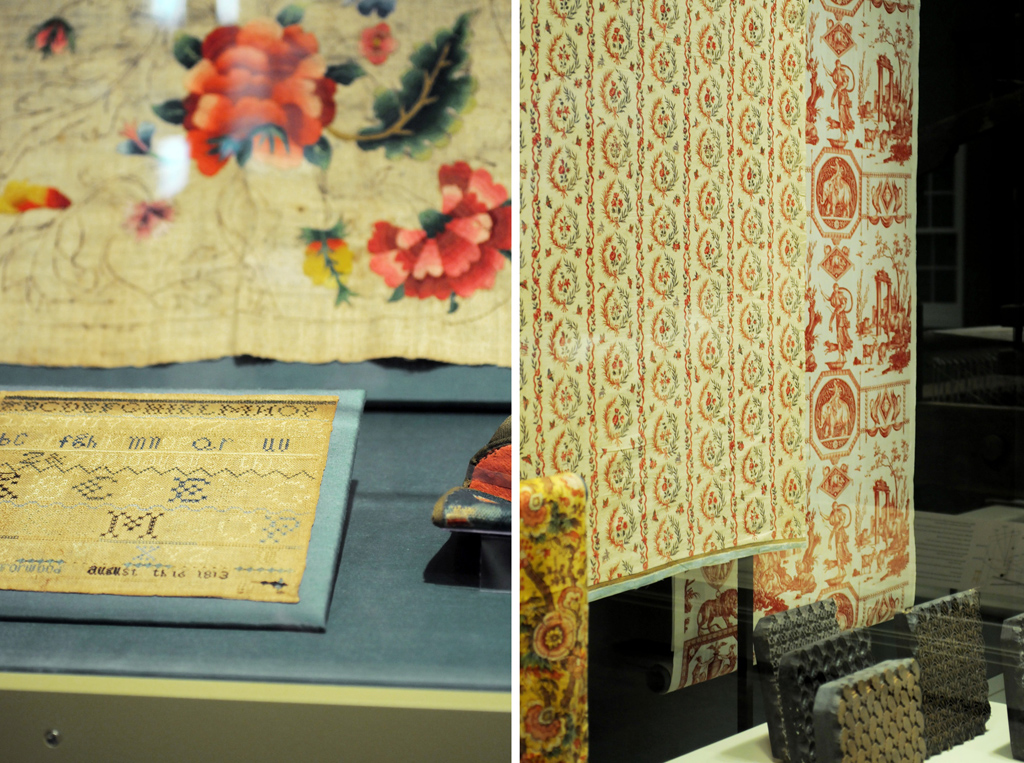
Internationally renowned, Winterthur also brings together a rich crowd of researchers interested in studying its outstanding collection with the support of an extensive library. In partnership with the University of Delaware, the institution also offers masters degree programs in American material culture and art conservation. As for textiles, Winterthur counts around 20,000 outstanding artifacts. Mr. Du Pont collected all kinds of American folk fiber productions such as lacework, quilting, and embroidered samplers. He was very sensitive to textiles for their colors, patterns, and textures. From quilts to gowns, samplers to bed hangings, Winterthur’s collection includes a wide range of textiles produced or used in America all exemplifying traditional female craftsmanships. I particularly enjoyed the temporary exhibition called “The Diligent Needle, Instrument of Profit, Pleasure and Ornament.” It showcased wonderful examples of needleworks and folk textiles from the seventeenth to the nineteenth century, highlighting some of the finest examples of the museum’s collection. Winterthur is a place of beauty and history offering a wonderful introduction to the American decorative arts.

Magali An

www.winterthur.org 


Danielle Morsette, contemporary Coast Salish weaver

18 August 2015

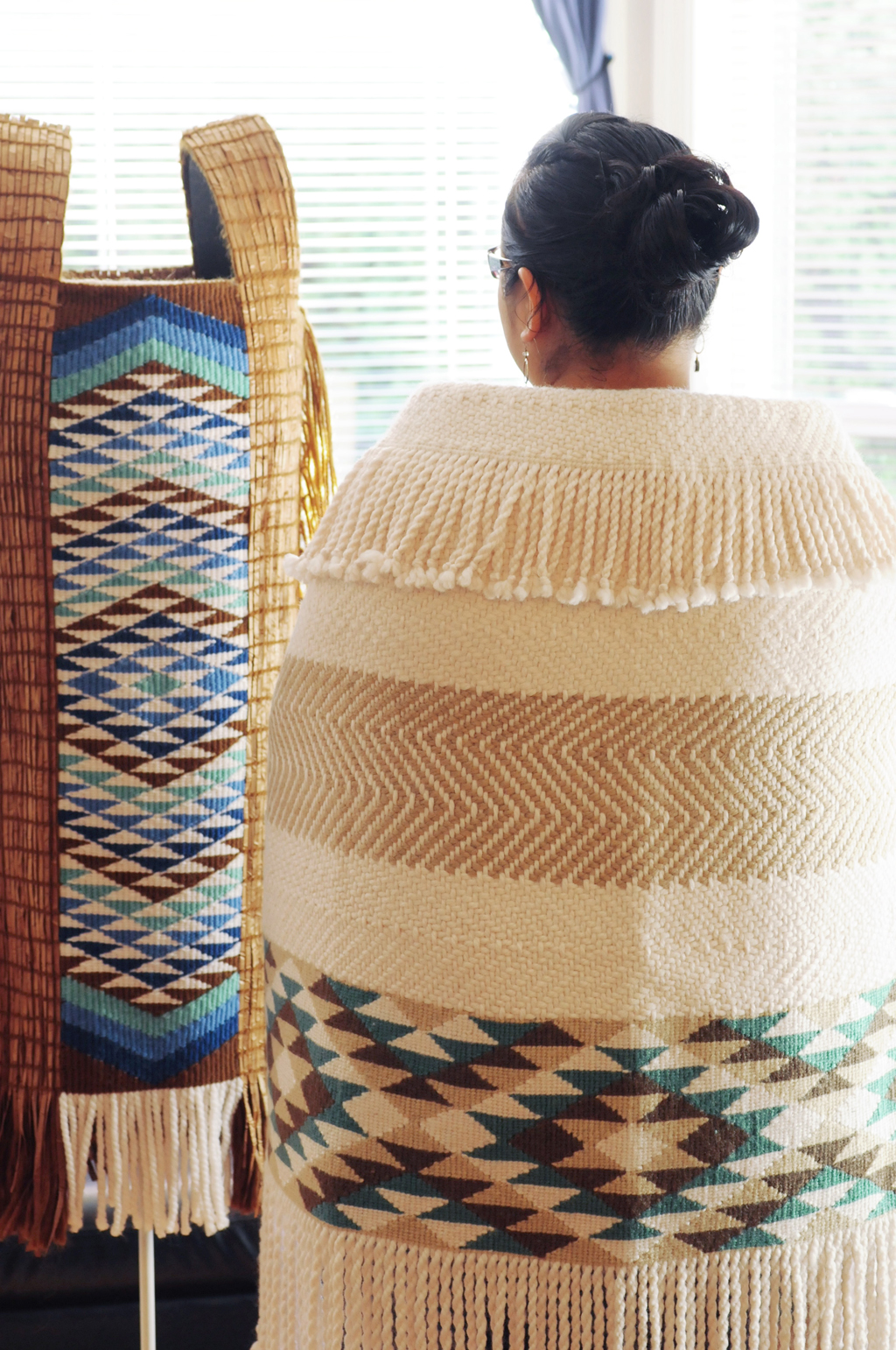
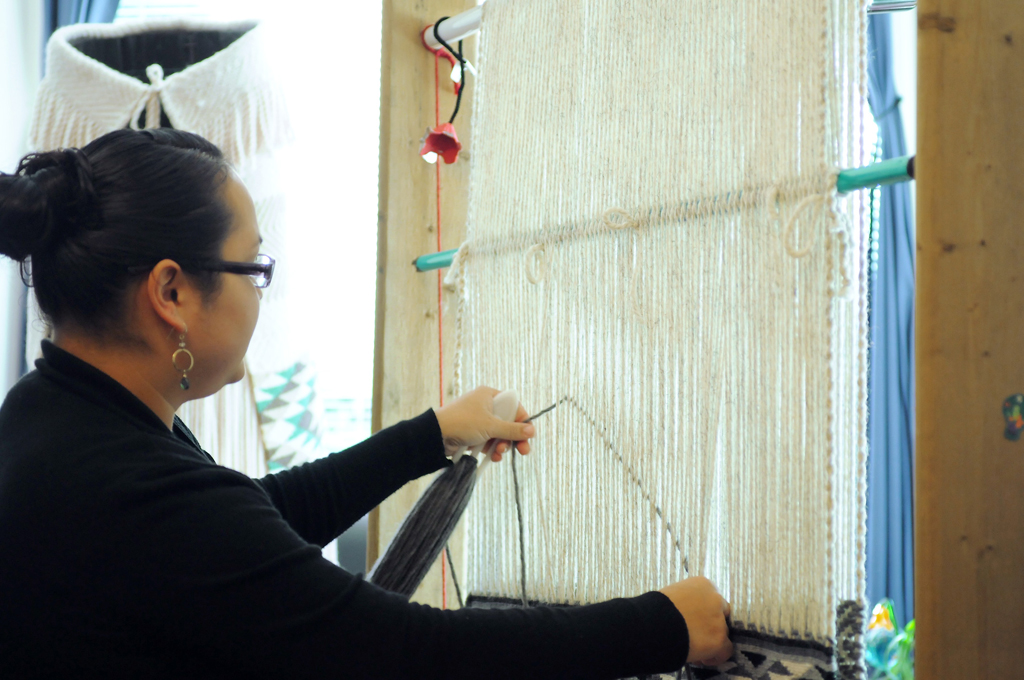
Danielle Morsette is twenty-seven years old. She has been practicing weaving for over ten years. She was born in Montana, from a father of the Stó: lō nation and a mother of the Suquamish tribe, and she then grew up in British Columbia, Canada. She currently lives in Vancouver with her husband and her young son in the northern part of the town right near Vancouver Harbor. Danielle designs weavings in the Coast Salish tradition. This name refers to an ensemble of Northwestern Coast native tribes that are spread out from the southern part of British Columbia, Canada to the states of Washington, Idaho and Montana in the US.

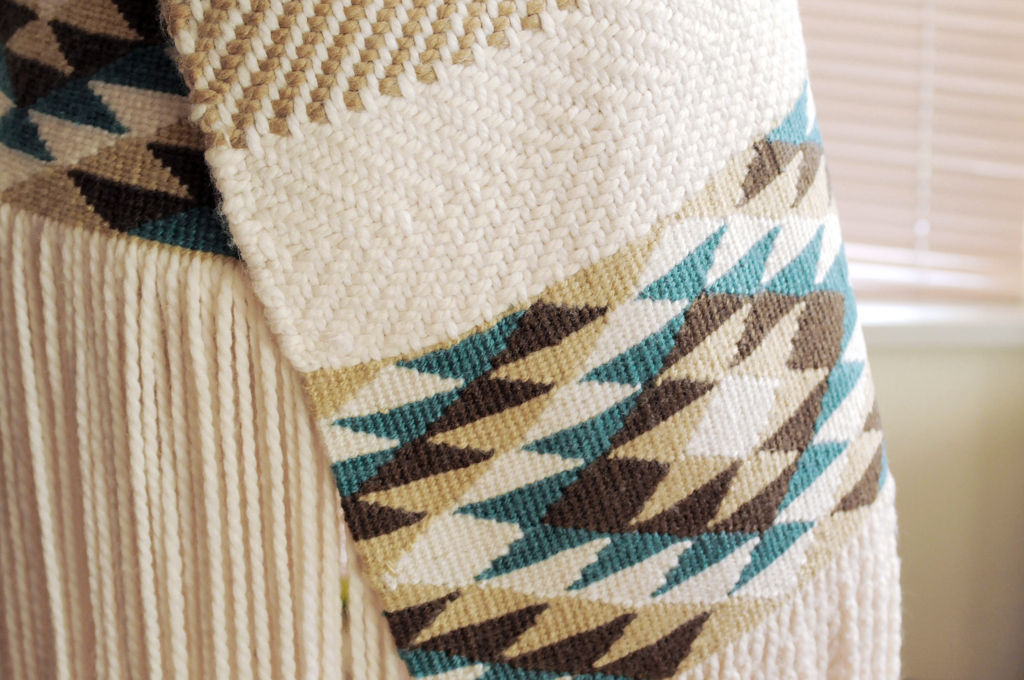
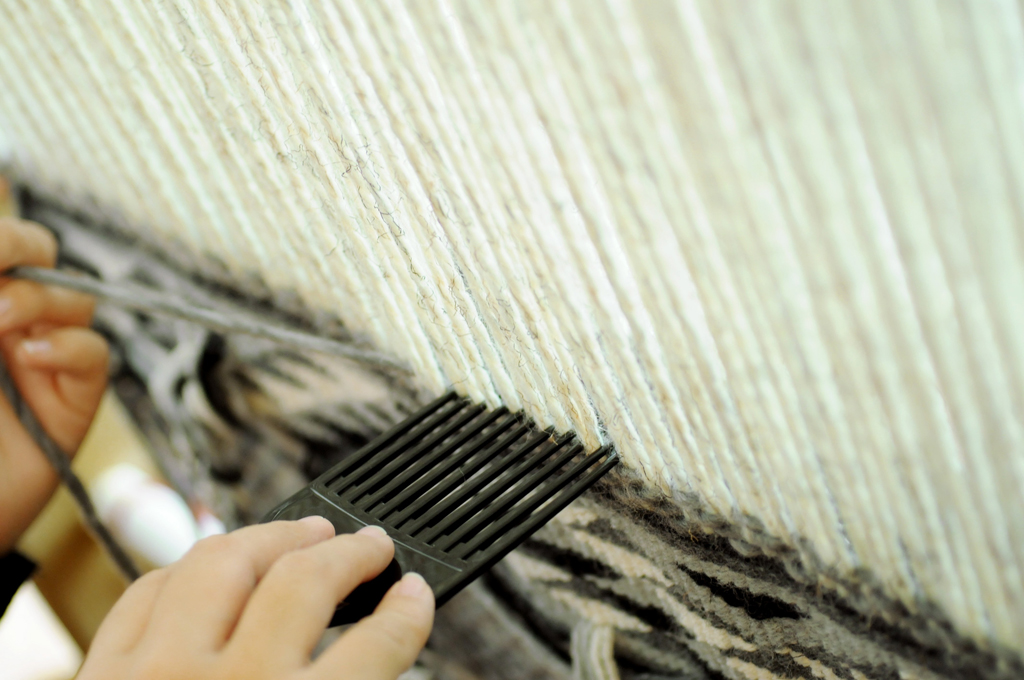
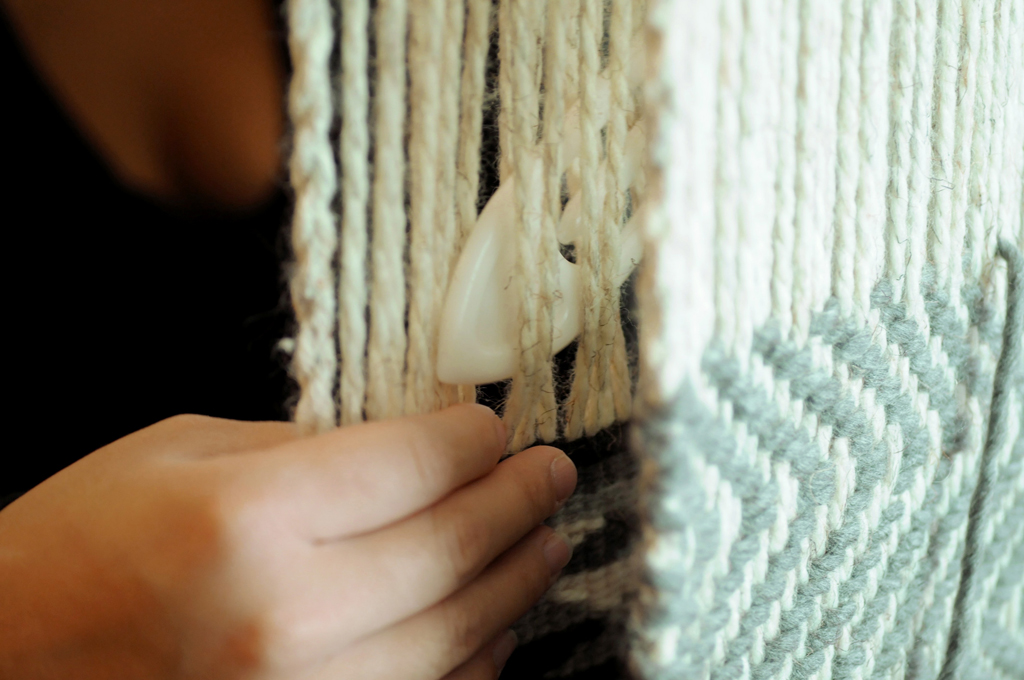
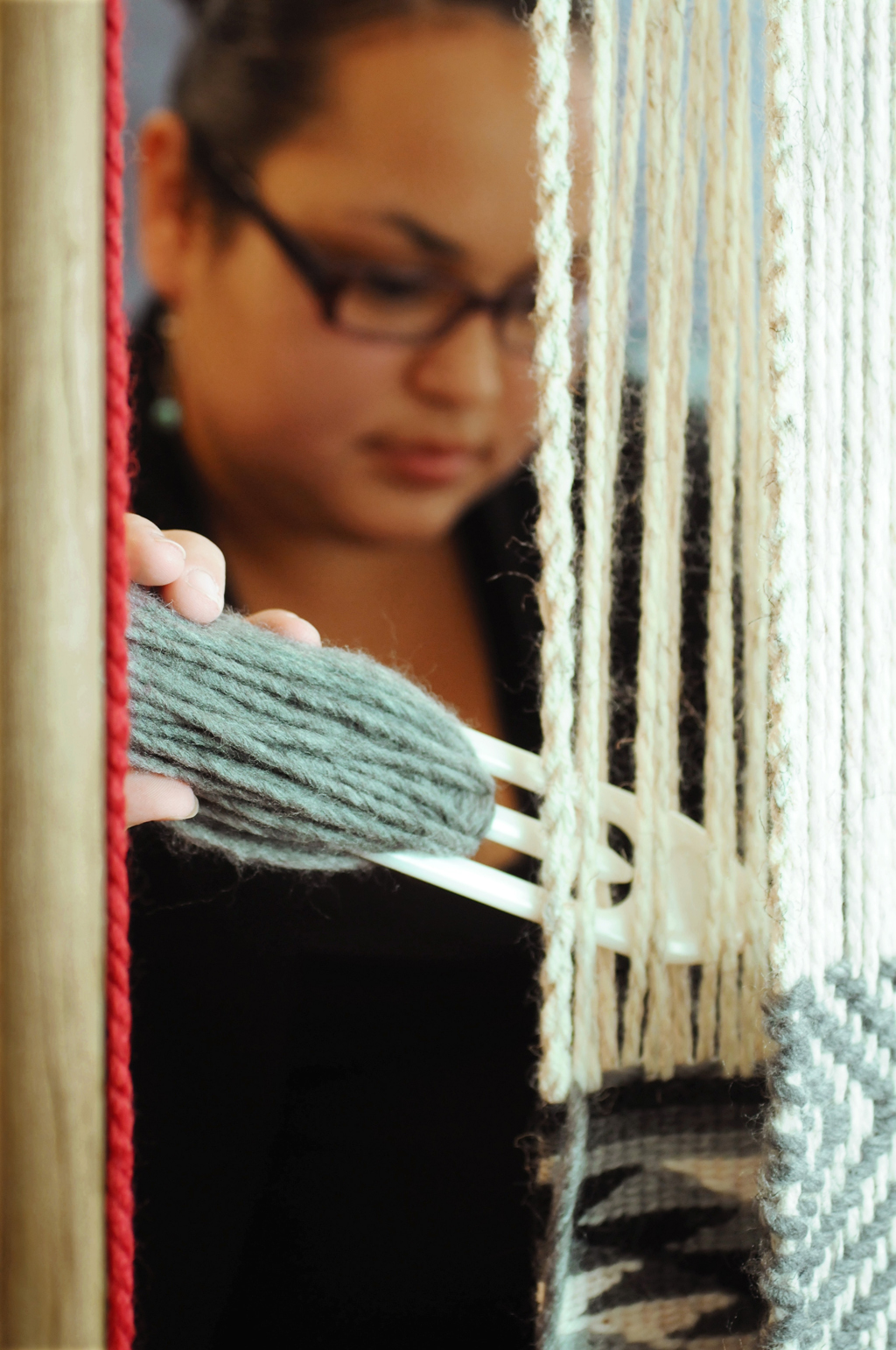
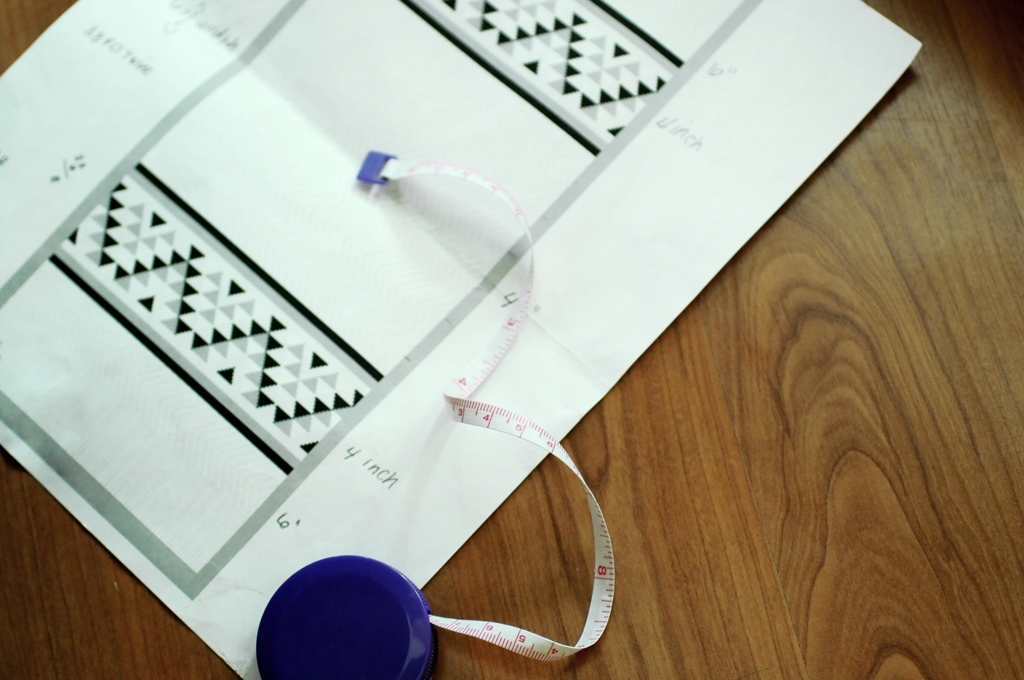
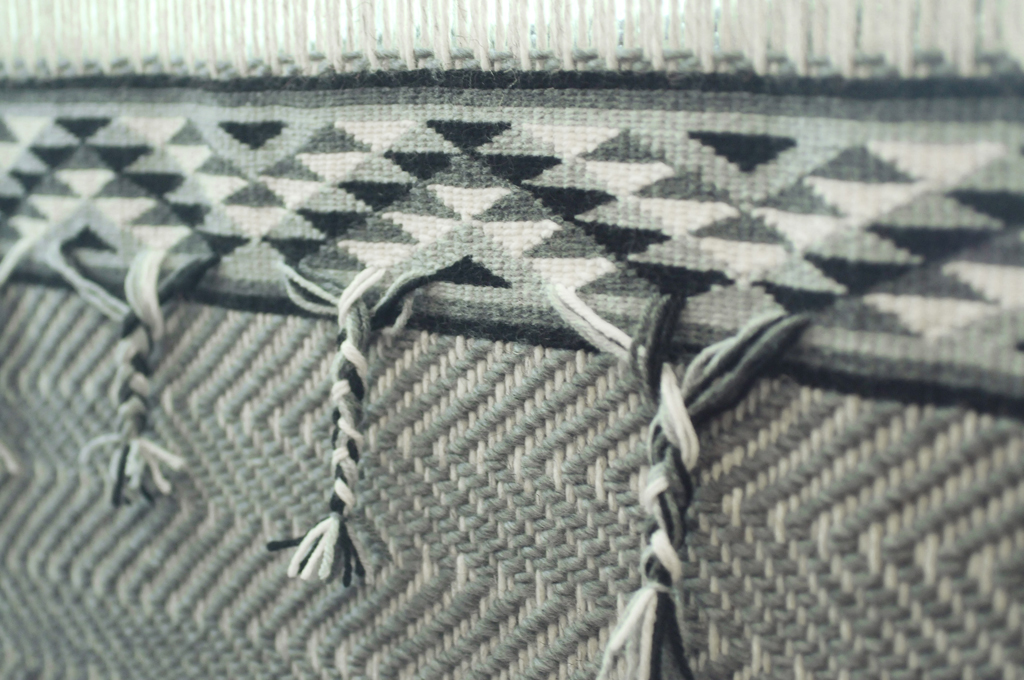
Her finger-weaving practice is deeply rooted in her native origins. Through her woolen blankets, she explores and celebrates the legacy of her ancestors. On her loom – a fixed structure with two horizontal crossbars holding the warp under tension on each side – Danielle Morsette fills the whole surface starting from the bottom. She manually passes the shuttle of thick wool yarn from one selvedge to the other, gently tapping each row with a comb. In addition to her skillful use of twill and twining techniques, she unfolds in her work a typical repertoire of geometric shapes in the Coast Salish style: chevron, zigzag, stripes and lozenges. Her designs constantly push the tradition further. Morsette aims to renew the technique with bold patterns, by combining cedar bark with wool weaving, or by using unusual and sophisticated hues.

Danielle Morsette is considered an experienced weaver, as the depositary of her community’s cultural identity, expressing her origins through her blankets. She is often commissioned to create ceremonial attire that will be worn during the potlatch ceremonies, the traditional Pacific Northwestern Coast gift-giving gatherings. Making a regalia would take her several weeks of intensive work. Both determined and humble, Danielle actively cultivates her art. Weaving has gradually become her way of life. She usually weaves at night, when she manages to steal a moment of calm, after taking care of her son during the day. She is also committed in teaching her know-how to other members of her tribe. A woman of her time, Danielle Morsette balances harmoniously between respecting her family legacy and embracing her own contemporary vision.


David Adjaye at the Cooper Hewitt: the choice of Africa

5 July 2015

David Adjaye is a prolific British architect and designer originally from Ghana, who currently works on the upcoming National Museum of African American History and Culture in Washington D.C. His praised contemporary vision led to an invitation of the Cooper Hewitt Museum in the curation of an exhibition which started last June 19th, 2015. The National Design Museum located in New York City invites each year an artist or a designer to revisit its permanent collection as part of the Selects exhibition series.

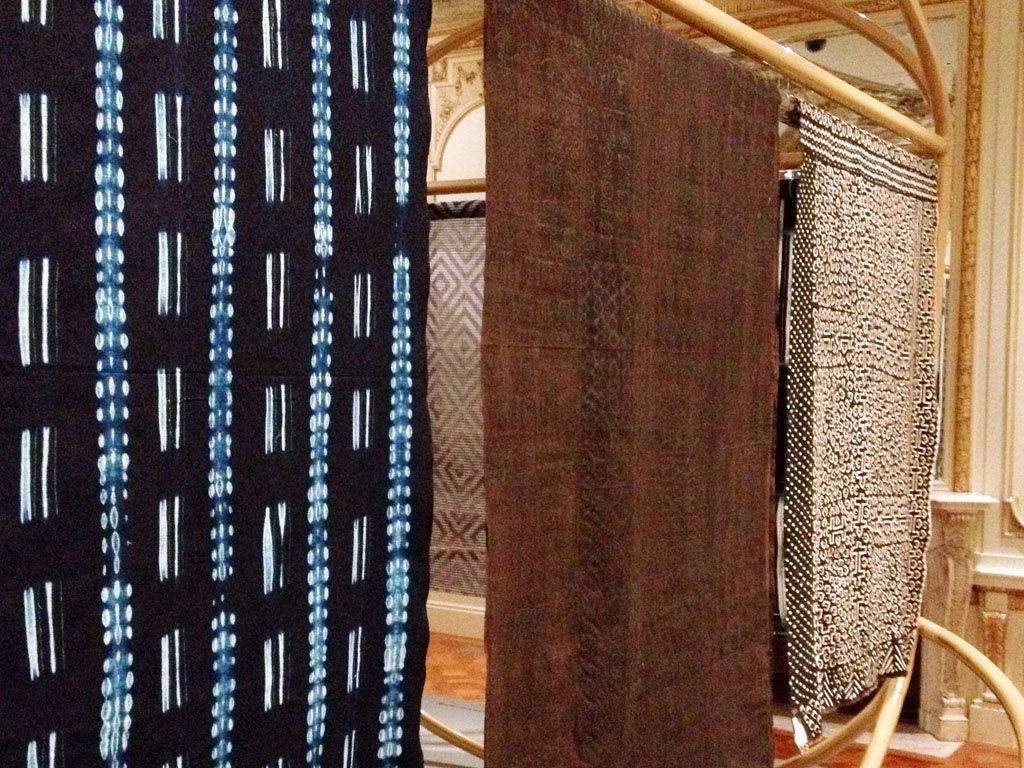
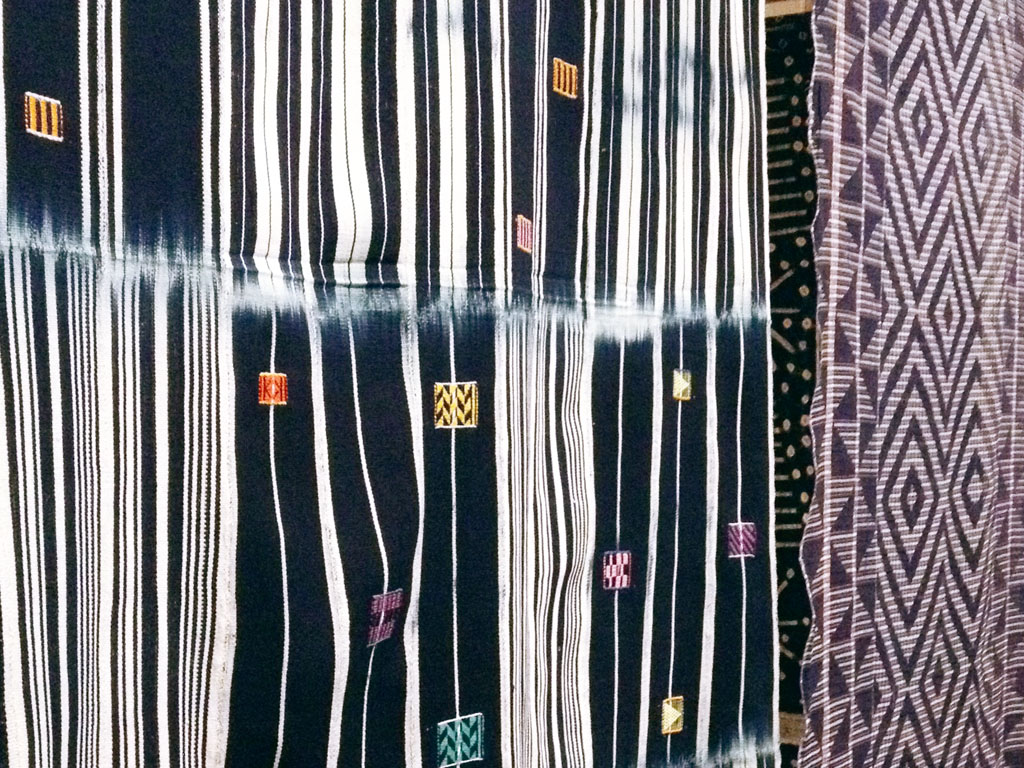
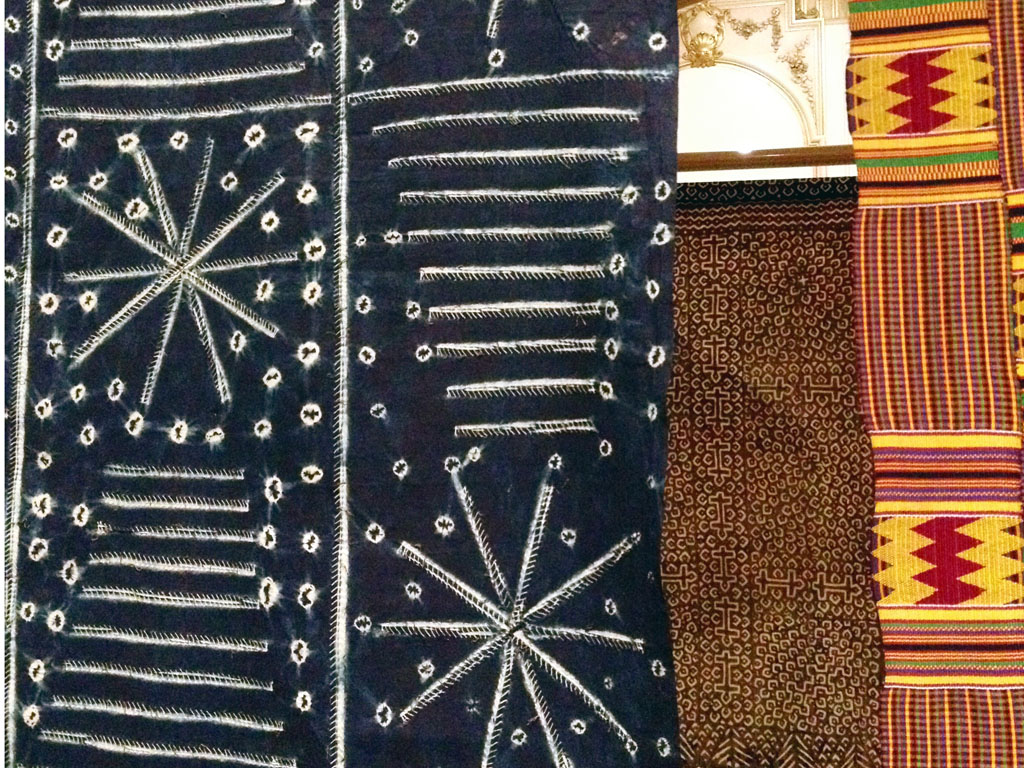
Adjaye ultimately picked fourteen pieces from the African textile and costume collection. These outstanding artifacts include, among others, two Kente prestige cloths from Ghana, a graphic Bogolanfini mud cloth from Mali, a Yoruba indigo-dyed loincloth from Nigeria, and a choice of Kuba raffia headgears from Congo. They all highlight a specific craftsmanship and tell the story of a particular ethnic group located in West and Central Africa. The narrowed selection offers a precious emphasis on each of these pieces that did not receive such exposure within the museum so far.

These textiles are traditionally draped and twisted on the body, worn as a hip wrapper or as a headpiece, following the movements of its wearer. On the other hand, in the context of a museum there are usually displayed flat on the wall like framed paintings. The architect’s vision is rather different. David Adjaye and his team designed the four-faced central structure which would welcome the textile pieces. The suspended fabrics are fully integrated in the space of the renovated Marks Gallery in the way of architectural vertical planes. This display showcases them as panels agitated by complex patterned surfaces. This installation thus shows the finest African ancestral textile craftsmanships in a new perspective, stripped of any expected typical ethnographic setting.

Cooper Hewitt National Design Museum 2 East 91st Street, New York NY 10128. Until February 14, 2016.

Magali An


Textile at the edge of art – Japanese Cultural Center of Paris

10 June 2015

mcjapon2

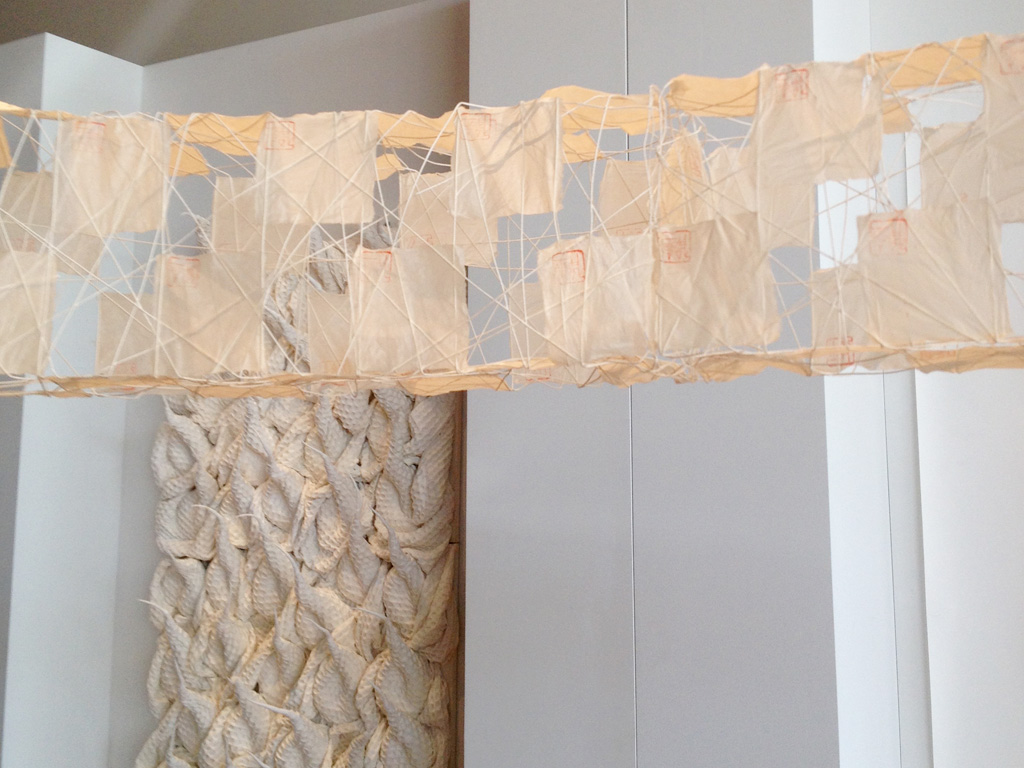
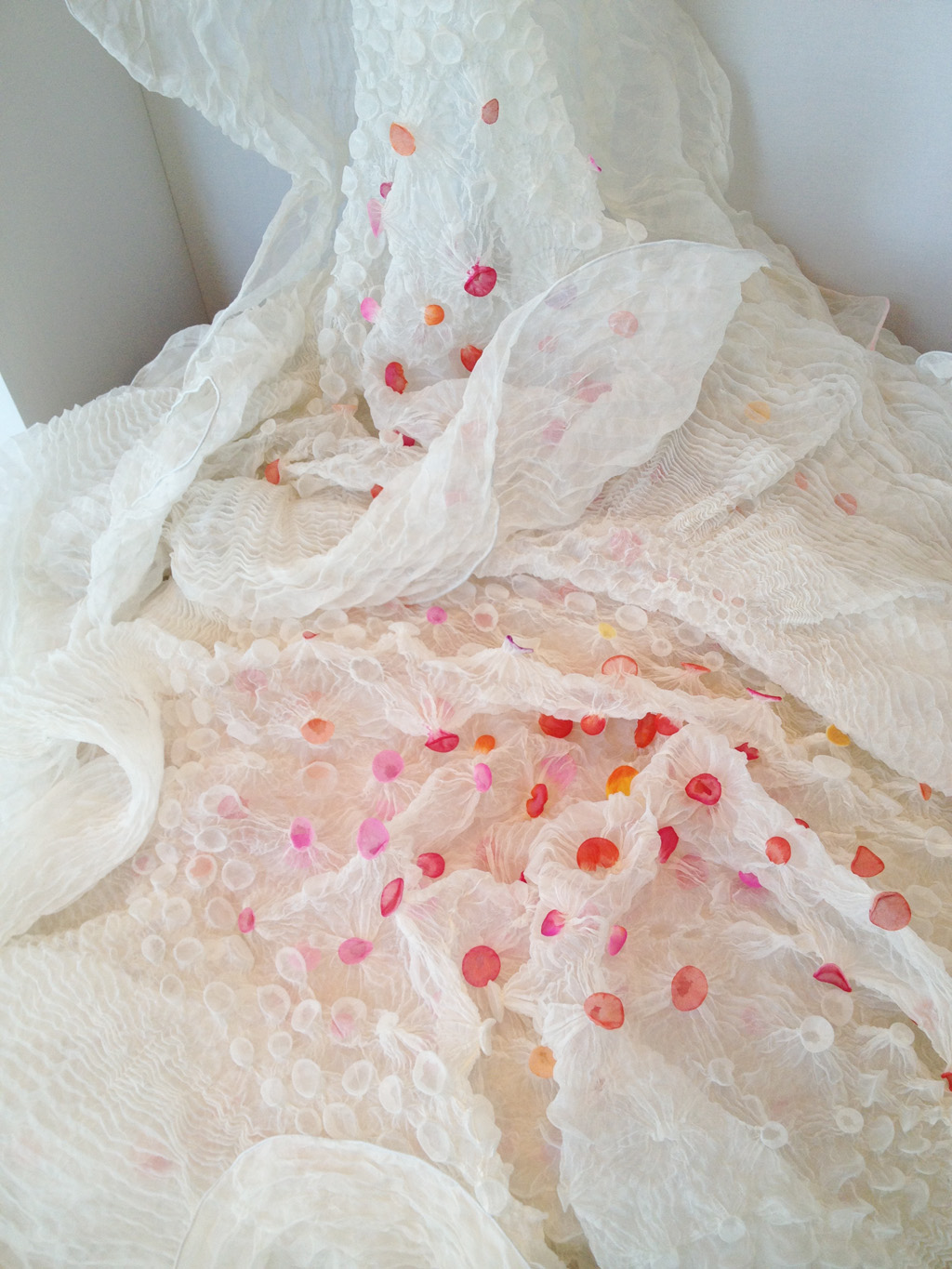
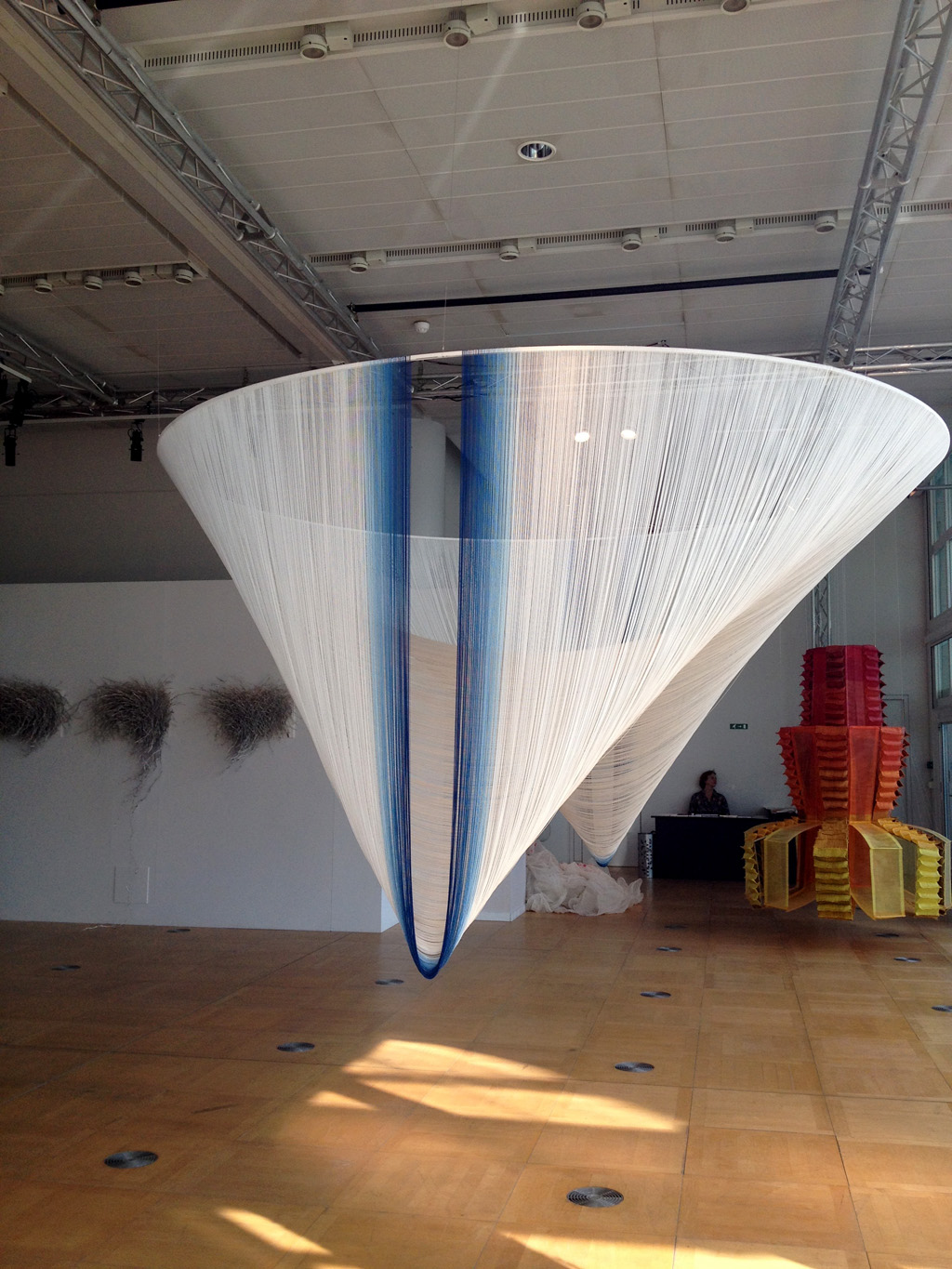
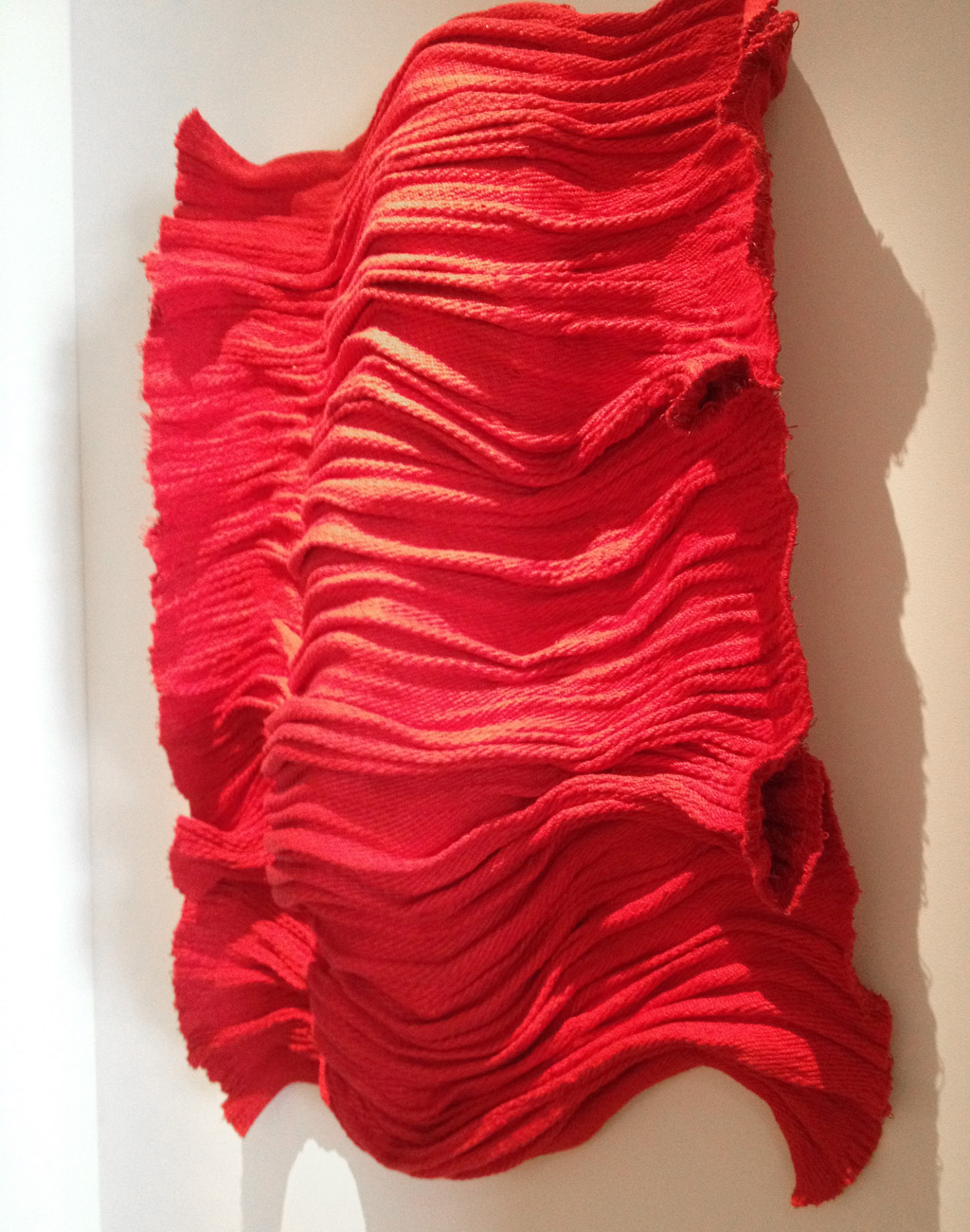
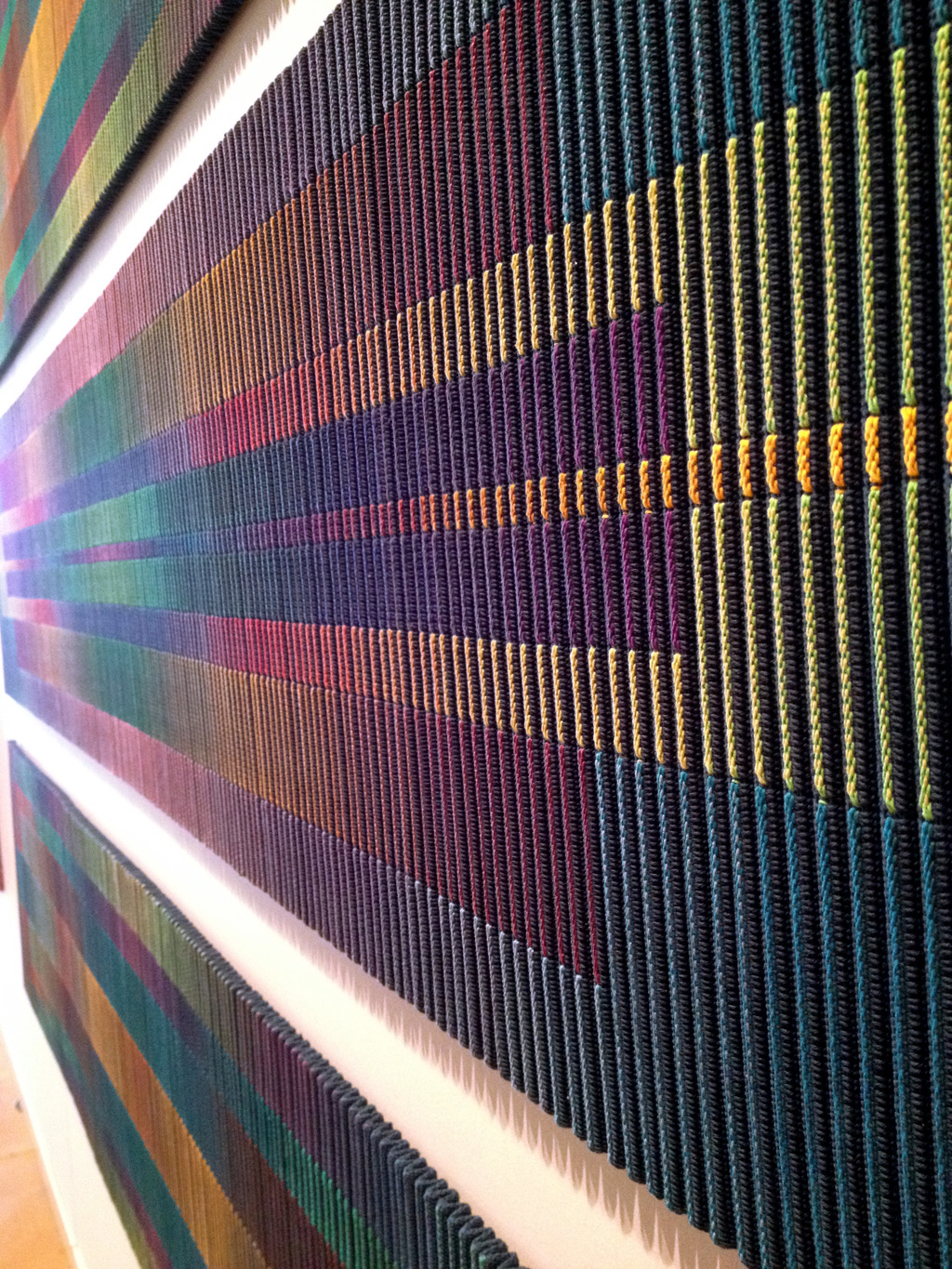
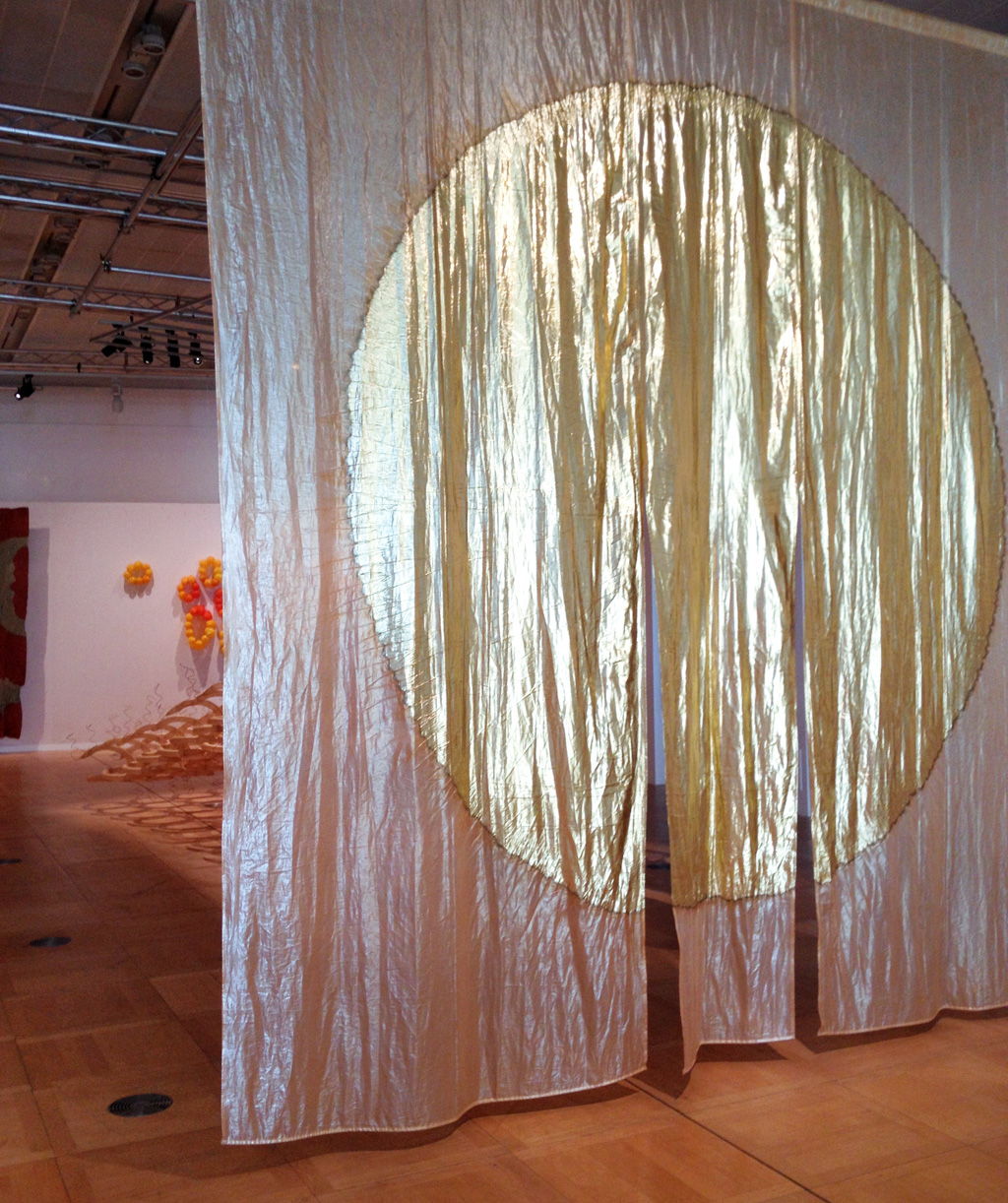
La Maison de la culture du Japon (The Japanese Cultural Center of Paris) currently highlights Japanese fiber artists until July 11, 2015 with Fiber Futures, Explorers of Textile Art in Japan. Thirty emerging or established artists explore fiber, yarn and textiles in all their forms. They design very personal artworks, which stand on the border of painting, sculpture and installation. Throughout the exhibition, visitors may approach the works and will often refrain themselves from touching them. One may notice the fragility and delicate quality of certain pieces in comparison with the compactness and rough feel of some others. The concepts of experimentation, distortion and up cycling of the materials are at the heart of this textile practice. This art of contrasts offers an infinite richness of universes, scales and textures.

Silk, cotton, washi paper, metallic yarn… Between natural materials and synthetic fibers, Japanese traditional processes and technical innovations, the diversity of the pieces illustrates in an inspiring way all the many forms that Fiber Art can take. The artists choose the textile fiber for its lively and sensitive dimension. Textiles become a field of all possibilities, evoking hybrid worlds simultaneously cellular, organic and natural.

Maison de la culture du Japon : 101 bis quai Branly, 75015 Paris. Tuesday-Saturday 12-7pm.

Magali An

mcjapon1

Yasuko Iyanaga

mcjapon3

Akio Hamatani

mcjapon4

Hiroko Watanabe

mcjapon5

Tetsuo Kusama

mcjapon6

Jun’ichi Arai


At the Antonio Ratti Textile Center – Metropolitan Museum of New York

30 April 2015

Ratti-textileconservation2

The whole world is at the MET and so are textiles.

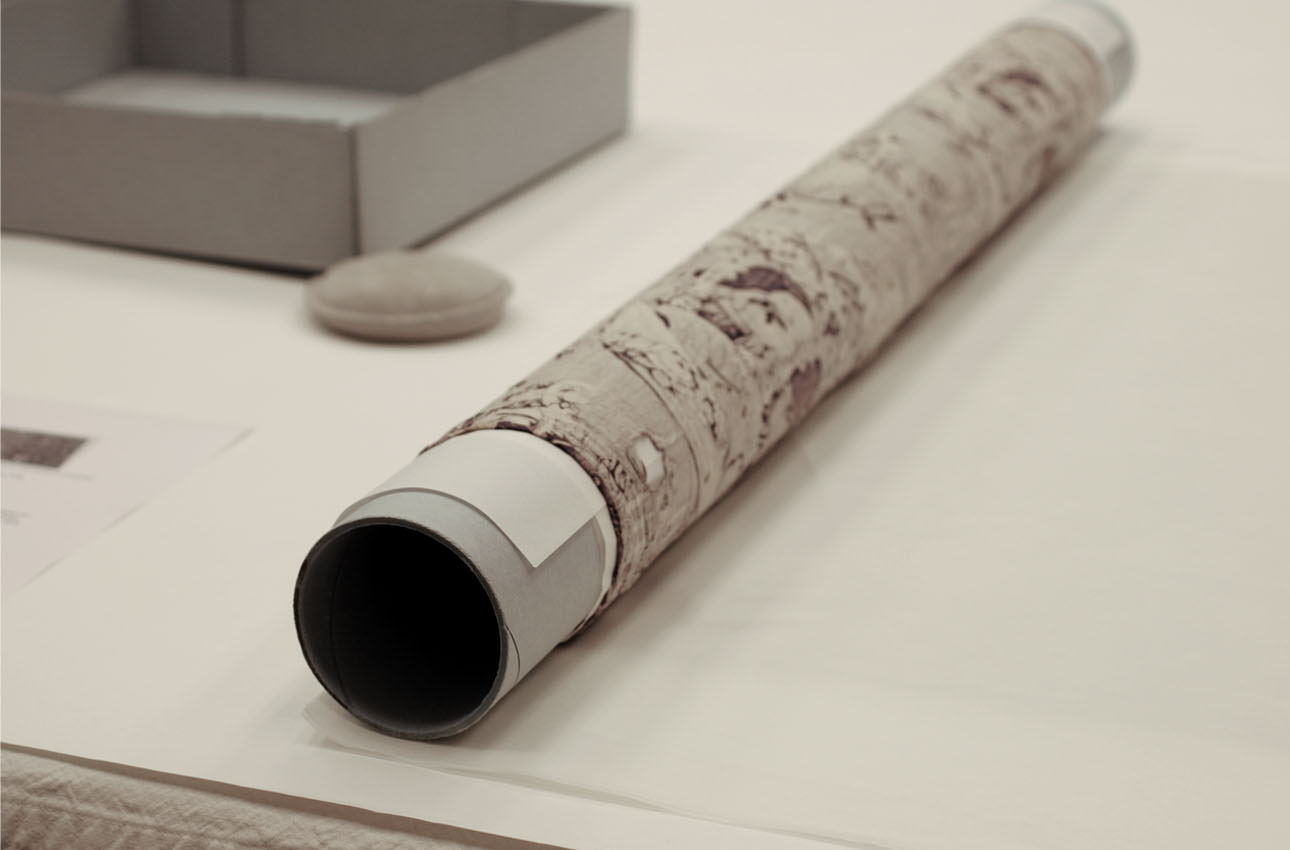
A major American museum, the Metropolitan Museum of Art in New York possesses a textile research center of tremendous value. The Antonio Ratti Textile Center was founded in 1995 on the initiative of a generous donator, an Italian industrialist at the head of a silk empire. The space brings together collections which were otherwise scattered throughout the twelve museum departments.

The center counts over 36,000 pieces of remarkable variety across region and period. All civilizations are represented from prehistory into the 20th century. One can find for example, North American folk patchworks, traditional South American textiles, and precious Asian silks, as well as a significant collection of large-scaled Renaissance tapestries, and archeological Egyptian coptic fragments.

Considered one of the largest textile conservatories in the world, The Antonio Ratti Textile Center is unfolding over 2300 square meters in the museum’s basement, offering an exceptional repository for such fragile treasures. This unique space is also accessible for research.

Researchers, students and artists from every horizon can book an appointment to study the pieces of their choice, with the support of the in-house staff. I myself had the chance to go there several times to study different objects. This open policy is remarkable. It is a way to diffuse the richness of the museum’s textile holdings and encourage textile research on an international scale.

Magali An

(To read: a more in-depth article on the Maison d’Exceptions online magazine.)

Ratti-textileconservation4Ratti-textileconservation3

Crédits photos : Antonio Ratti Textile Center


Cambodian textiles – Lecture in Montreal • March 28th, 2015

18 March 2015

Capture d’écran 2015-03-18 à 09.48.59

9449342

Meeting day about the khmer identity in Montreal 

Following the invitation of the Khemara Center—and as a representative of ATELIERS MONDE association—I am delighted to be in Montreal on March 28th, 2015 at 4pm at the St. Laurent Recreation Centre for a special exciting event. I will be hosting an hour-long lecture about Cambodian textiles at 4pm, to discuss the fascinating story of silk and the various traditional weavings. I will take this opportunity to show a selection of reports made in Cambodia for the World Textiles & Artisans project. This lecture will be followed by a fashion show.

It has been 35 years that the first Cambodian refugees arrived on Canadian soil. To mark this anniversary, the Khmer History and Civilisation Centre of Montreal brings Cambodia to Canada through a variety of workshops and round-table discussions, which will help to tell the story of the exiled Cambodian people and their integration into their land of welcome. During a whole day from 9am to 10pm, workshops and meetings will be highlight this multiple and rich Khmer identity. To close this exceptional program punctuated with talks and film screenings, there will be a folk dance show and a party.

Admission is free and we wish to see you all !

Magali An

Capture d’écran 2015-03-18 à 09.45.15

PUBLIC EVENT

March, 28th 2015 from 9am to 10pm
Lecture about Cambodian Textiles at 4pm

1375, rue Grenet, Saint-Laurent, Métro Côtes-Vertu, Bus 128

More information on the Khemara Center website